Dialog window

Packaging Recyclability Labels Resin Identification Codes and Carbon Dioxide Equivalent Footprint of Best-Selling Moisturizers and Sunscreens in Canada

Topical moisturizers and sunscreens generate a lot of packaging waste, but whether that packaging gets recycled often comes down to the polymer, the resin code, and if the label tells consumer what to do. This study employs a cross-sectional audit of the best-selling moisturizers and sunscreens in Canada using publicly available Canadian sales rankings from top online retailers. For each product, the primary container and secondary carton will be recorded along with an on-pack recycling mark present; including the Mobius loop, a resin identification code triangle, or How2Recycle style instructions. Plastic components will be grouped using the Resin Identification Code (RIC) system, polyethylene terephthalate (PET, code 1), high density polyethylene (HDPE, code 2), polyvinyl chloride (PVC, code 3), low density polyethylene (LDPE, code 4), polypropylene (PP, code 5), polystyrene (PS, code 6), and other plastics (code 7). Packaging will be flagged for analysis when materials are mixed or are missing identifiers likely to complicate sorting. Environmental impact will be quantified as carbon dioxide equivalent (CO2eq) and freshwater consumption using Life Cycle Assessment (LCA) tools and by weighing packaging from products and applying literature life cycle inventory factors for the respective polymer. The analysis will show how often resin codes and recycling labels are clearly visible on consumer packaging, which packaging choices create barriers for recycling in Alberta, and what signals can help guide plastics research and more sustainable dermatology practice
 

Dialog window

Closing the loop on plastic and electronic waste: Recycling waste printed circuit boards into flame-retardant rLLDPE flooring composites

Sustainable recycling routes for plastic and electronic waste are critically needed. This study reports the development of flame-retardant flooring composites based on recycled linear low-density polyethylene (rLLDPE) and non-metal fractions (NMFs) from waste printed circuit boards, combined with ammonium polyphosphate (APP) and magnesium hydroxide (MH). The incorporation of NMFs improved tensile modulus and yield tensile strength while maintaining impact resistance suitable for flooring applications. Flame retardancy, measured by Limiting Oxygen Index (LOI), increased from 18.1% for neat rLLDPE to 23.5% for the optimized rLLDPE/NMF/APP10/MH10 formulation, indicating the effective contribution of NMFs and flame-retardant additives. All composites exhibited low water absorption (<1.0% after 45 days), confirming excellent moisture resistance. This work presents a cost-effective and environmentally friendly strategy for transforming plastic and e-waste into high-performance flooring materials.


Dialog window

Activated Carbon Production from Plastic Waste: A Circular Economy Approach to Environmental Remediation

The rapid generation of plastic waste presents significant challenges for plastic diversion and end-of-life management, as current disposal methods such as landfilling and incineration not only cause secondary pollution but also result in the loss of valuable carbon resources. This study adopts a circular economy approach to upcycle postconsumer plastic waste into activated carbon. Plastic-derived activated carbon exhibits excellent potential for environmental remediation, including the removal of dyes, chemicals, and pharmaceuticals. In addition, its high surface area makes it suitable as an electrode material for energy storage devices, such as supercapacitors and batteries.The study evaluates the conversion of common thermoplastics such as PET, PS, PP/PE, and PVC into porous activated carbons. Plastics were pyrolyzed at 400–800 °C to produce carbon-rich chars, which were subsequently activated using alkaline or salt. The resulting materials were characterized using BET surface area analysis, scanning electron microscopy (SEM), and elemental analysis. Initial investigations showed that KOH activation yielded activated carbons with exceptional textural properties, with surface areas exceeding 2,000 m²/g and methylene blue adsorption capacities up to 769 mg/g. These results demonstrate that plastic waste upcycling into activated carbon is a sustainable strategy for both solid waste management and environmental remediation. Future work will focus on optimizing the activation process to minimize chemical usage while maximizing material performance.


Dialog window

Circular Nanotechnology: Upcycling the Polymeric Fraction of Waste Printed Circuit Boards into Carbon Quantum Dots for Environmental Monitoring

Plastic waste is one of the most pressing environmental challenges of our time, accumulating in landfills and natural ecosystems while contributing to pollution and greenhouse gas emissions. Electronic waste, which contains significant amounts of plastic in the form of printed circuit boards, exacerbates this problem. The growing volume of electronic waste is driven by rapid technological advancements and increasingly shorter device lifespans. While most recycling efforts focus on recovering metals from waste printed circuit boards, the non-metallic fraction, mainly complex polymers, is largely neglected, ending up in landfills or incinerators. In this project, we utilized a novel upcycling approach that converts these non-metallic components of waste printed circuit boards into carbon quantum dots (CQDs) using pyrolysis followed by hydrothermal processing. CQDs are a novel class of carbon-based nanomaterials which are photostable, water-soluble, and their fluorescence is highly sensitive to metal-ion interactions. The first step of this project dealt with pyrolysis of the polymeric portion of the waste printed circuit boards at 450 °C for one hour, which resulted in carbonaceous char. This process was followed by hydrothermal cutting of the resulting carbonaceous char at 135°C. These CQDs were characterized by UV–vis absorption spectroscopy, fluorescence spectroscopy, TEM, XRD, and FTIR.The accurate and rapid detection of metal ions, such as lead, cadmium, and copper, is critical because these heavy metals can pose serious risks to human health, agricultural productivity, and freshwater ecosystems. In Canada, and particularly in Alberta, intensive activities in mining, oil sands extraction, and wastewater-producing industries create a growing need for sensitive, low-cost, and field-deployable detection technologies. Existing methods like atomic absorption Circular Nanotechnology: Upcycling the Polymeric Fraction of Waste Printed Circuit Boards into Carbon Quantum Dots for Environmental Monitoringspectroscopy or inductively coupled plasma mass spectroscopy (ICP-MS) are highly accurate but expensive, require centralized laboratories, and are not practical for real-time or remote monitoring. In this regard, we engineered the obtained CQDs as sensitive, low-cost fluorescent probes for heavy metal-ion detection. This project provides a sustainable technological pathway with potential relevance for environmental monitoring and for resource-focused regions such as
Alberta. This research thus offers both environmental and technological benefits: reducing the ecological footprint of electronic waste while generating functional materials for real-world analytical applications.


Dialog window

Pyrolysis of recycled LLDPE/LDPE polymer blend: Process parameters optimization for high yield of wax 

We present a pathway to upcycle post-consumer LDPE/LLDPE films into high-value, specification-consistent waxes for corrosion-resistant coatings. Using a horizontal quartz tubular reactor under argon for non-catalytic thermal pyrolysis, we varied temperature (400–500 °C), residence time (45–75 min), and heating rate (3–10 °C min⁻¹). Response Surface Methodology and ANOVA (p < 0.05) quantified factor effects and defined operating windows that favor heavy paraffinic products while suppressing over-cracking; heating rate showed the largest standardized effect. The highest measured wax yield was 82%, with a DOE-predicted optimum of 84%. Product quality (GC-MS, FTIR, DSC, XRD, TGA) matched paraffin references and remained stable across conditions. Beyond process tuning, the work addresses societal and industry needs in Alberta and Western Canada: it creates end-markets for film streams, supports recyclers and converters, and supplies wax intermediates for coatings in energy, agriculture, and infrastructure. We outline integration with MRF/reclaimer operations and scale pathways (off-gas heat integration and product finishing) to build circular value chains.


Dialog window

Microwave-assisted Pyrolysis of Waste Plastic for Monomers Recovery

The increasing accumulation of plastic waste, especially polyethylene and polypropylene, requires new solutions to recover useful organic content and replace conventional management strategies like landfilling, mechanical recycling, and incineration. Pyrolysis is one such solution in which monomers can be recovered from plastic waste to reduce dependence on fossil fuel-based feedstocks. Microwave-assisted pyrolysis more rapidly deconstructs the polymers than conventional thermal pyrolysis. As plastics are transparent to microwaves, however, microwave absorber materials are required to transfer the energy and reach the decomposition temperature. There are many studies using various carbonaceous absorbers, but these studies do not address how the physical and intrinsic properties of the absorbers can influence the steps in decomposition. This study was undertaken to systematically compare various properties including particle size, d-spacing, oxygen content, defect density, porosity, and graphitization on microwave coupling, polyolefin cracking, and monomer formation. Natural graphite is used as the baseline absorber and then functionalized through chemical oxidation and thermal treatments to produce absorbers with different properties. These absorbers are evaluated under identical microwave conditions for the pyrolysis of polypropylene and high-density polyethylene.


Dialog window

Low-Temperature Polyethylene Biodeterioration by Microplastic-Associated Alkaline Freshwater Bacteria

The ubiquitous pollution of microplastics (MP) in the environment is an increasingly pressing issue, disrupting ecosystems and posing risks to human health. It also presents a significant challenge for plastics circularity and recycling. As a result, there is a growing need for effective solutions to the MP problem. One potential approach is microbial bioremediation. While bacteria capable of degrading plastic polymers have been identified in marine and terrestrial ecosystems such as landfills and ocean gyres, inland freshwater ecosystems, including rivers and lakes, remain understudied.

To address this gap, we isolated 14 microplastic-associated bacterial strains from the Bow River and North Wabasca Lake in Alberta and investigated for their ability to degrade polyethylene under environmentally relevant conditions. Several isolates demonstrated up to 25% MP weight loss over the incubation period. Scanning electron microscopy confirmed microbial colonization, biofilm formation, and plastic surface modifications, alongside the detection of low molecular weight organic compounds consistent with plastic degradation intermediates. Genomic analyses suggest these bacteria may rely on novel or divergent metabolic pathways not represented in current plastic degradation databases.

Our findings demonstrate that the plastisphere of freshwater microplastics harbours putatively new species of bacteria that can degrade plastic. This implicates MPs as a potential carbon source and their microbes as promising candidates for biotechnological applications in plastic depolymerization and recycling, supporting the development of integrated solutions for a circular plastics economy.


Dialog window

Effect of Carbon Black on the Chemical Upgrading of Plastic Waste

Abstract: Plastic waste accumulation is a major global concern, causing an estimated $1.5 trillion in annual health and environmental costs [1]. Nevertheless, current efforts to mitigate this issue remain insufficient and mostly focus on the mechanical recycling of limited types of plastic. In contrast, chemical upcycling offers a route to convert a broader range of plastic waste into valuable monomers, intermediates, and high-value products [2]. The current processes, however, require high-purity feedstocks, and so have not been applied to black plastic that contains carbon black as a pigment, even though carbon black may facilitate depolymerization and promote cyclization and deprotonation reactions that enhance aromatic molecule formation [3]. This study investigates the influence of carbon black on the pyrolytic decomposition of plastic, particularly its impact on product distribution, chemical composition, and reaction pathways. Leveraging carbon black as an advantage rather than a barrier may enable more robust conversion technologies and advance progress toward a circular, sustainable plastics economy. 


Dialog window
Antoinette Smith

Guest Speaker

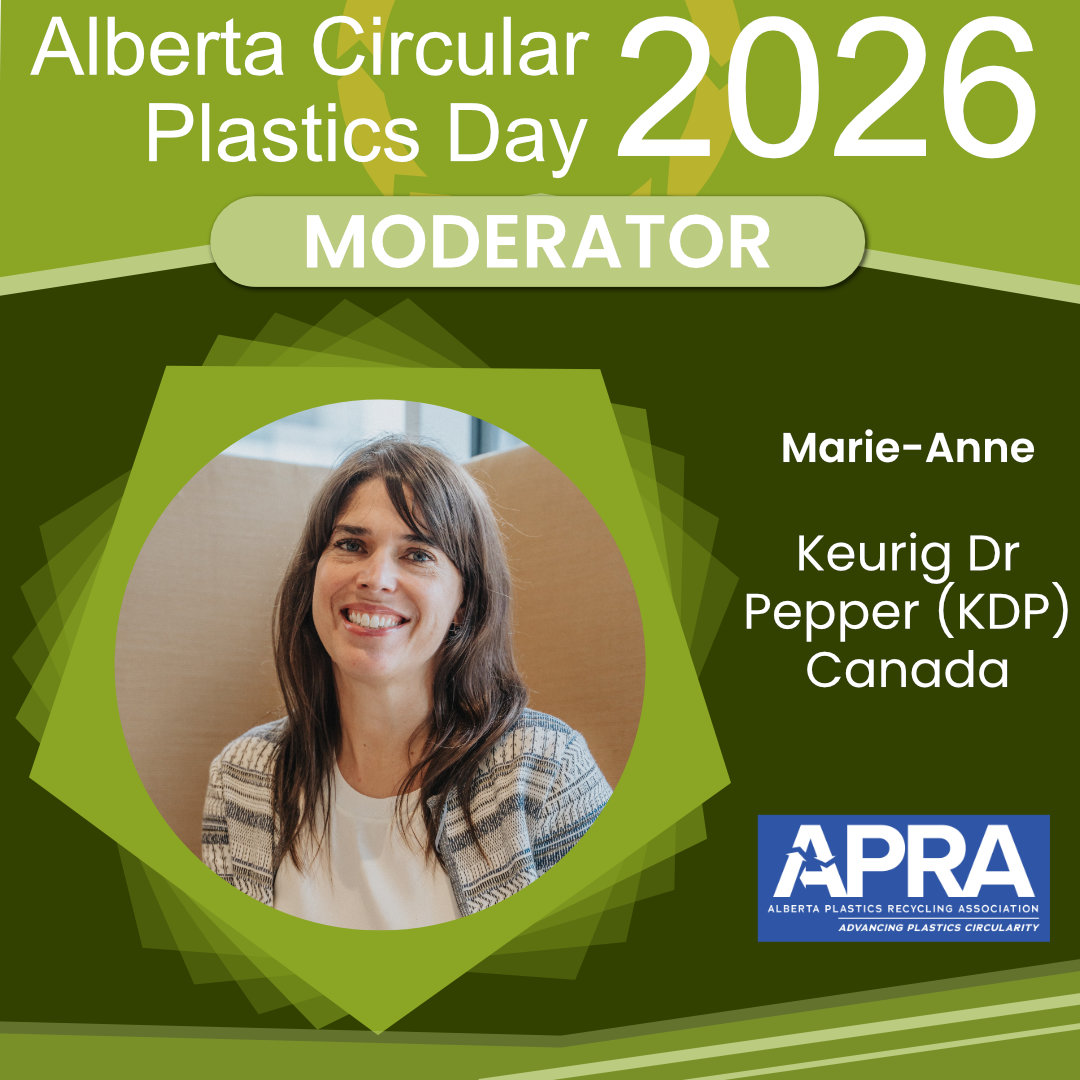
Marie-Anne

Keurig Dr Pepper (KDP) Canada

Marie-Anne Champoux-Guimond joined the Keurig Dr Pepper (KDP) Canada team in 2017 and acts as the company’s Director of Sustainability. As such, she leads KDP Canada’s sustainability initiatives and partnerships, from environmental stewardship to circular economy, responsible sourcing and everything in between. Over the past 9 years she led KDP Canada’s circularity journey as she believes that the company can play an active role in the development of a Canadian Circular Economy, namely through its role as a co-founder of the Circular Plastics Taskforce, of which she is the co-chair. She also sits on the Board of Directors of the Electronic Products Recycling Association (EPRA) and is involved in multiple industry associations and working groups. Prior to joining Keurig Dr Pepper Canada, Marie-Anne worked for over 10 years in the philanthropic and international development sectors.

Dialog window
Antoinette Smith

Guest Speaker

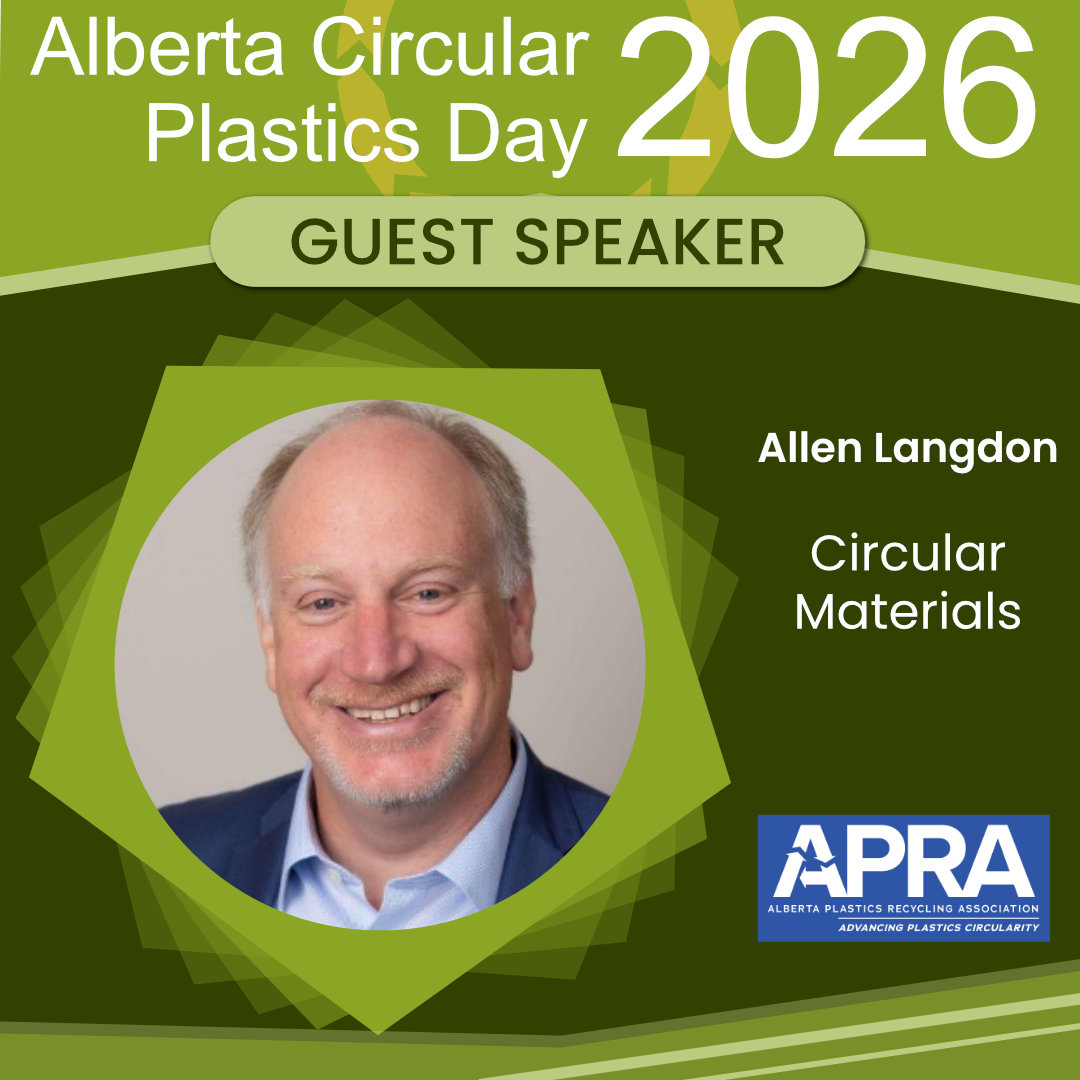
Allen Langdon

Circular Materials

As CEO, Allen is responsible for leading Circular Materials through the development of Ontario’s new blue box recycling system while expanding the organization’s operations into other provinces, including Alberta, New Brunswick, Nova Scotia and the Yukon. His mission is to support producers with a robust not-for-profit service offering that advances the circular economy, delivers national harmonization of extended producer responsibility (EPR), and harnesses competitive procurement to provide the best value and service for producers.

Prior to joining Circular Materials, Allen served as the President and CEO of Return-It, a very successful used beverage container management program in British Columbia, Canada. Allen also served as the Managing Director for Recycle BC, the first 100% EPR program for paper and packaging in North America, in which industry assumed full financial and managerial responsibility for the residential recycling system.

Allen currently serves as an Advisory Board Member for the Washington State Recycling Development Centre.


Dialog window

Session 4: EPR – Where are we going?

Join us as we explore where we are headed next in the future of EPR in Alberta and across the Country with The Circular Plastics Task Force and producer responsibility organizations, Circular Materials and Recycle BC and SK Recycles. Explore efficiencies, harmonization, data insights, and the practical realities of implementation — plus what changes are needed to move from compliance to real circular outcomes.


Dialog window
Antoinette Smith

Guest Speaker

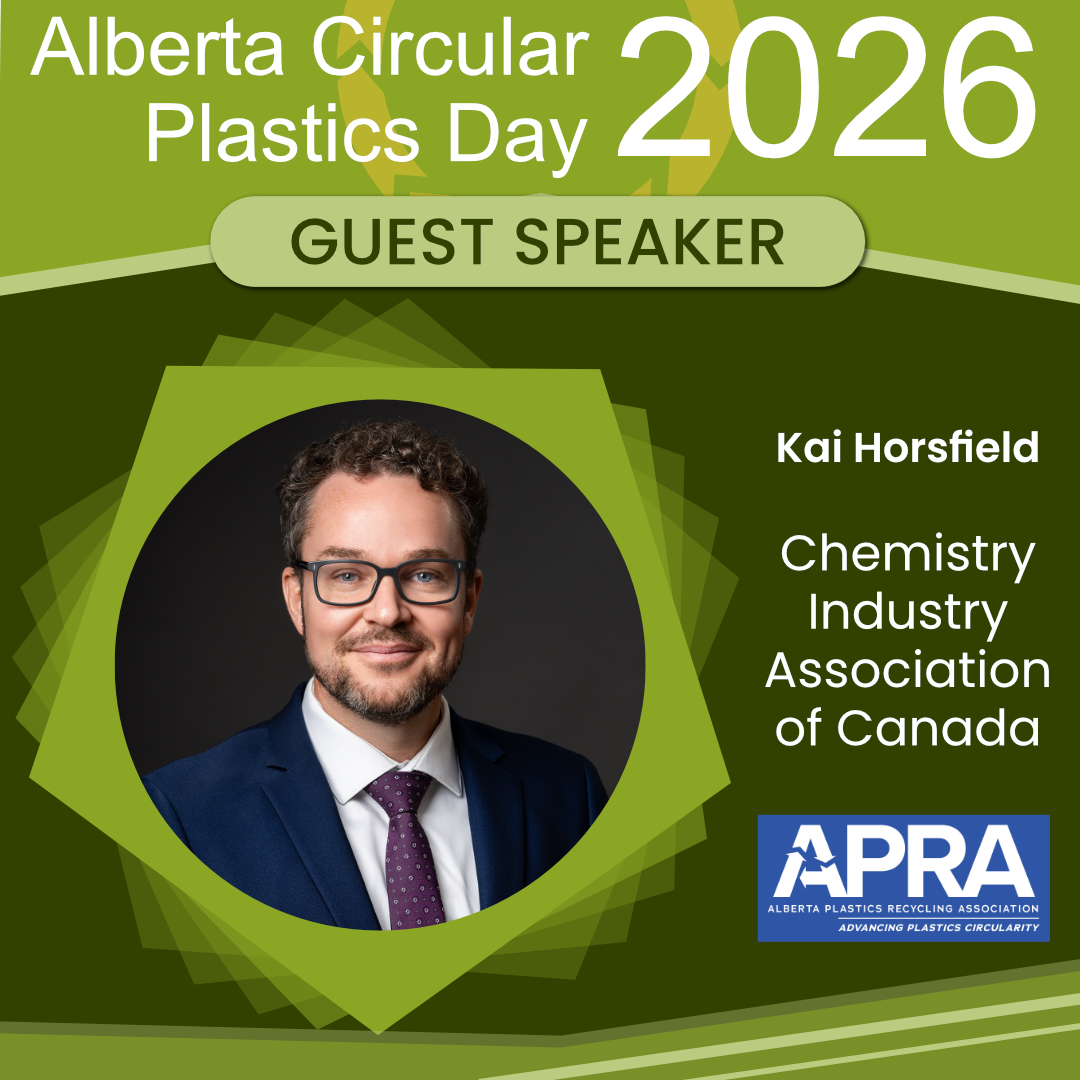
Kai Horsfield

Chemistry Industry Association of Canada

Kai Horsfield is Senior Director, Policy and Western Engagement at the Chemistry Industry Association of Canada (CIAC), where he leads policy development and government engagement. He brings more than a decade of experience in government relations and public policy, including nearly eight years representing Canada’s pipeline industry. He holds a Master of Public Policy from the University of Calgary.


Dialog window
Antoinette Smith

Guest Speaker

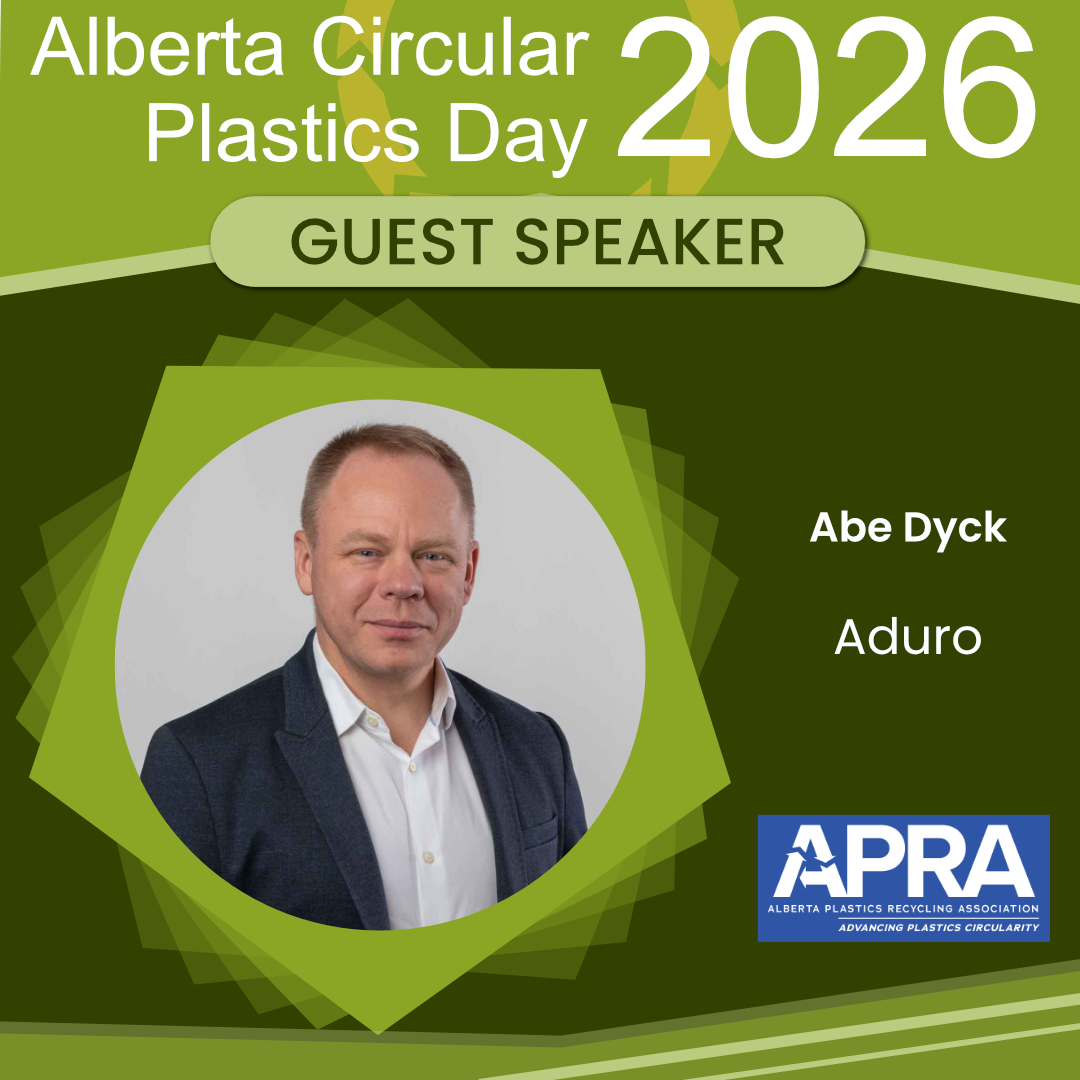
Abe Dyck

Aduro

Abe Dyck is Head of Corporate Development and Investor Relations at Aduro Clean Technologies, where
he is responsible for strategic partnerships, project development, and capital markets engagement. He
works across commercial, technical, and financial stakeholders to support the advancement of pilot,
demonstration, and commercial projects, aligning technology progress with financing, infrastructure,
and market adoption.

He brings more than 20 years of experience working with growth-stage and industrial technology
companies in corporate development, strategy, and investor communications, with a focus on
translating complex technical initiatives into executable projects and investable opportunities. Abe
regularly represents the company at industry and investor forums, speaking on chemical recycling scale-
up, project deployment, and the evolving circular plastics economy.


Dialog window
Antoinette Smith

Guest Speaker

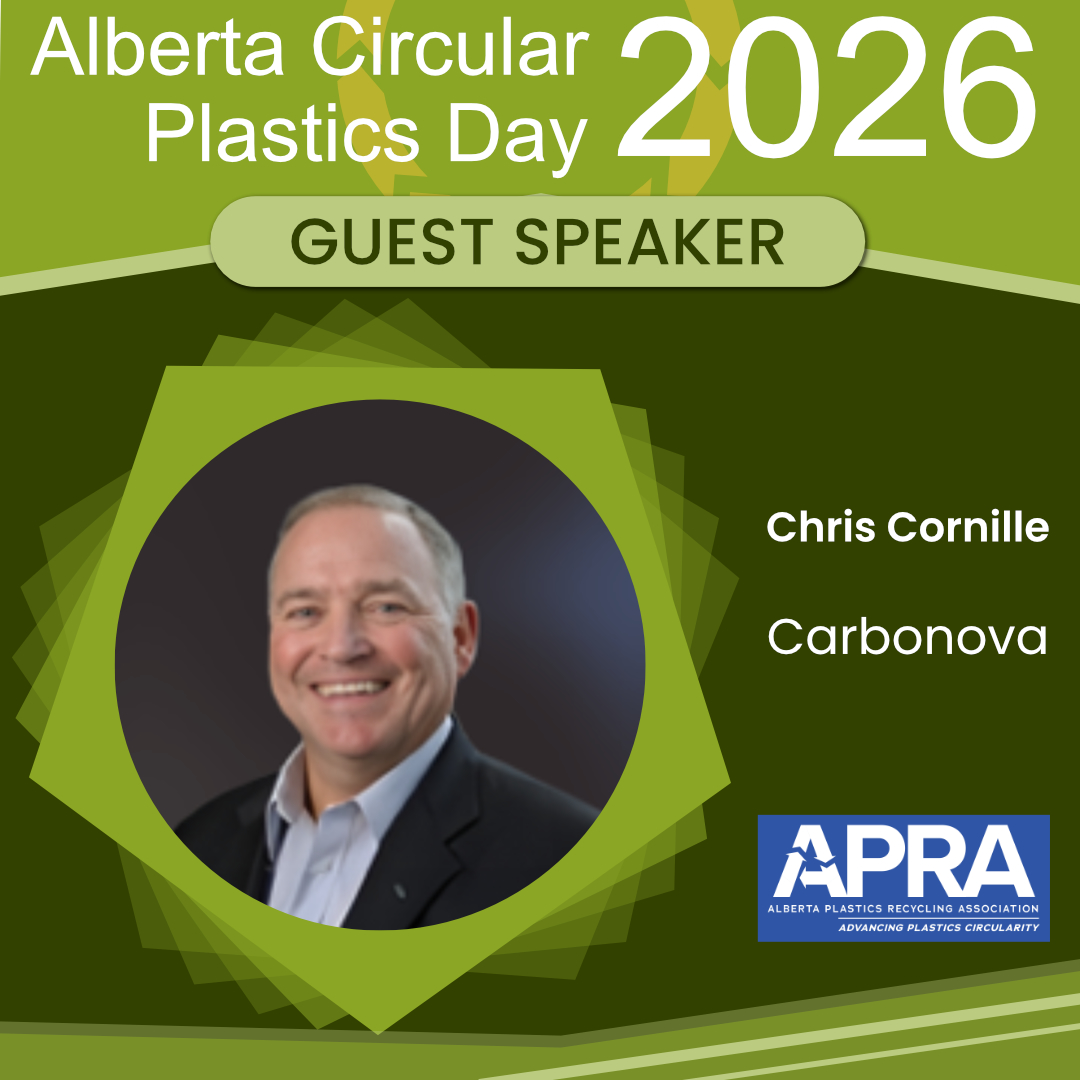
Chris Cornille

Carbonova

https://www.linkedin.com/in/christophercornille/
Mr. Chris Cornille, Chief Commercial Officer, brings over 35 years of expertise in global carbon supply chains. His leadership roles include serving as Chief Commercial Officer at Monolith Materials and as a Global Business Manager at Cabot, the world’s largest carbon black producer. Chris’s strategic and commercial insights drive Carbonova’s market expansion.


Dialog window
Antoinette Smith

Moderator

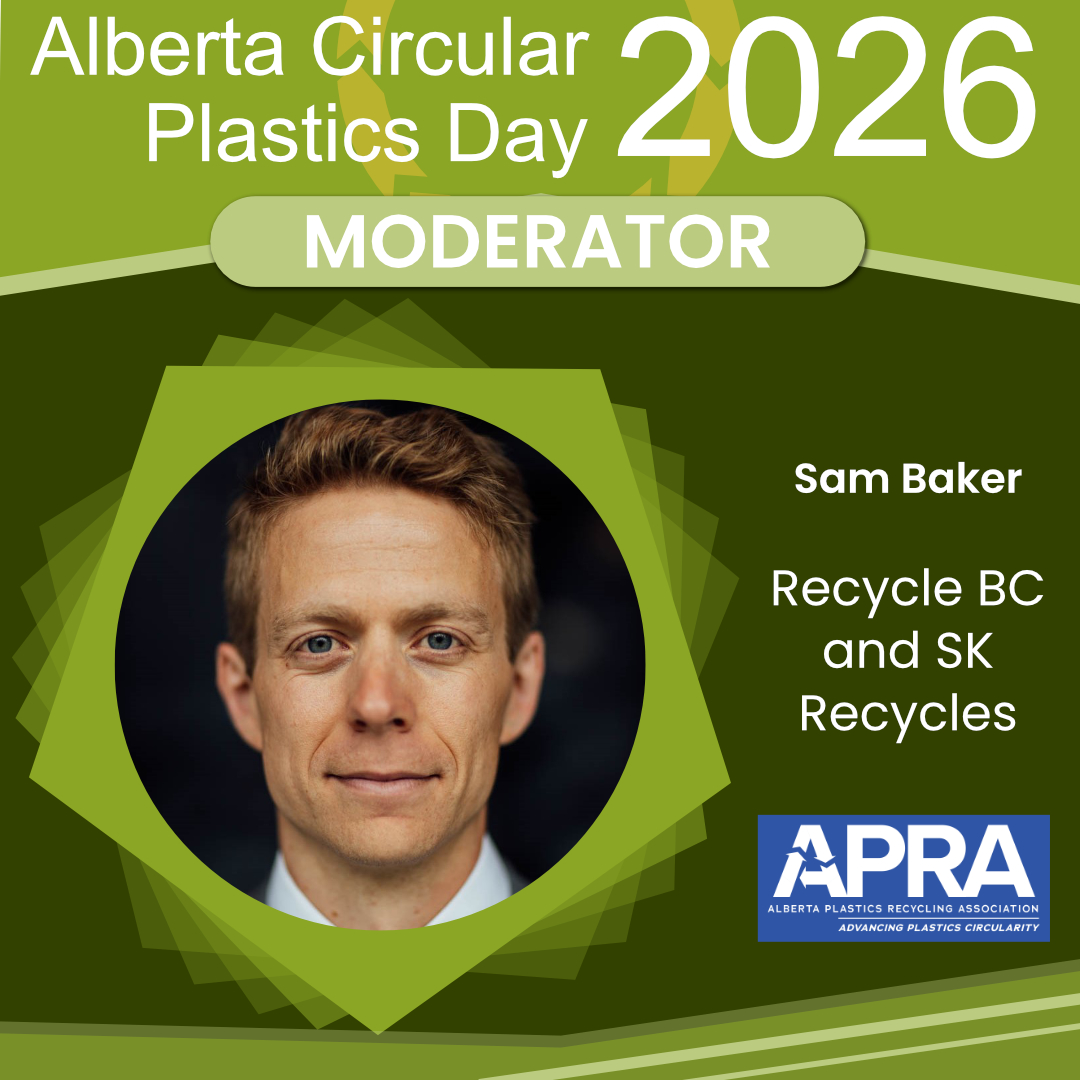
Sam Baker

Recycle BC and SK Recycles

Sam Baker is Executive Director of Recycle BC and SK Recycles, where he provides strategic leadership for extended producer responsibility (EPR) programs for packaging and paper products. He leads program evolution in response to changing regulatory requirements, environmental performance expectations, and market conditions, working closely with producers, governments, and system partners. Sam brings an outcomes-focused approach to advancing effective, accountable EPR in Canada. Sam holds a degree in Mechanical Engineering from McGill University and an MBA in International Business from Marquette University. 


Dialog window
Antoinette Smith

Guest Speaker

Brian Van Vliet

Spartan Controls

Brian Van Vliet is a Mechanical engineer based in Calgary, Alberta, where he works with an environmentally focused team at Spartan Controls to help customers and fellow Spartans reduce waste and drive sustainability. In collaboration with customers, Spartan provides expert services, applied technologies, and integrated solutions across Western Canada, contributing to significant CO₂e reductions. With over 20 years at Spartan, Brian has held a variety of roles, including Manager of Environment Solutions, Technical Specialist, Project Manager, and Application Specialist, supporting the Petrochemical, Oil Sands, and Oil and Gas sectors. He is also actively engaged with industry organizations and his local community. Being passionate about wasting less, Brian takes pride in finding innovative and resourceful ways to optimize operations. His work with the team at Spartan has helped Spartan reduce its environmental footprint too.

Spartan Controls Creating a Sustainable Modern World with Innovative Automation (our Vision) is supported with focus on sustainable growth by prioritizing efficiency, reducing waste and minimizing emissions while ensuring environmental stewardship goes hand-in-hand with economic progress. Learn how keeping focus on this with applied process at Spartan has resulted in reductions of our own energy use, improved habits and material diversion. Shared learnings specific to the why, what and how enables organizations across sectors to tackle more of their own challenges in this space with many smaller improvements add up to notable improved outcomes.


Dialog window
Antoinette Smith

Guest Speaker

Karen Budwill

Innotech AB

Dr. Budwill will present on a technology gap review of new and emerging technologies that enhance the recycling of traditionally difficult to recycle plastics such as flexible films and e-waste plastics as well as the design of plastics to be recyclable was undertaken.

Dr. Budwill holds a BSc (Biology) degree from the University of Waterloo and a PhD (Microbiology) degree from the University of Alberta. She studied the production of microbial polymers (polyhydroxyalkanoates) for her PhD thesis. She has conducted research in the field of applied environmental microbiology for the past 29 years at InnoTech Alberta. She is currently developing a circular economy strategic plan and roadmap for InnoTech, including supporting research into plastics circularity.


Dialog window

Session 1: Flexible Packaging and the Circular Economy – Innovations, Challenges, and Opportunities Ahead

Flexible packaging has become indispensable in today’s marketplace, offering efficiency, protection, and convenience across a wide range of applications. Yet as sustainability expectations rise, the industry faces growing pressure to adapt and align with circular economy principles.
This session examines the evolving role of flexible packaging within a circular framework—highlighting current materials, recycling trends, and the integration of post-consumer and post-industrial recycled content. It also explores the emergence of compostable and bio-based options, alongside the regulatory and market forces reshaping design and end-of-life strategies.
While significant progress has been made, key challenges persist, including limited recycling infrastructure, material compatibility issues, and the ongoing balance between cost, performance, and environmental impact.
The session will discuss how collaboration across the value chain—among resin suppliers, converters, brand owners, and recyclers—can unlock innovation and accelerate the transition toward a more circular and sustainable flexible packaging ecosystem.


Dialog window
Antoinette Smith

Guest Speaker

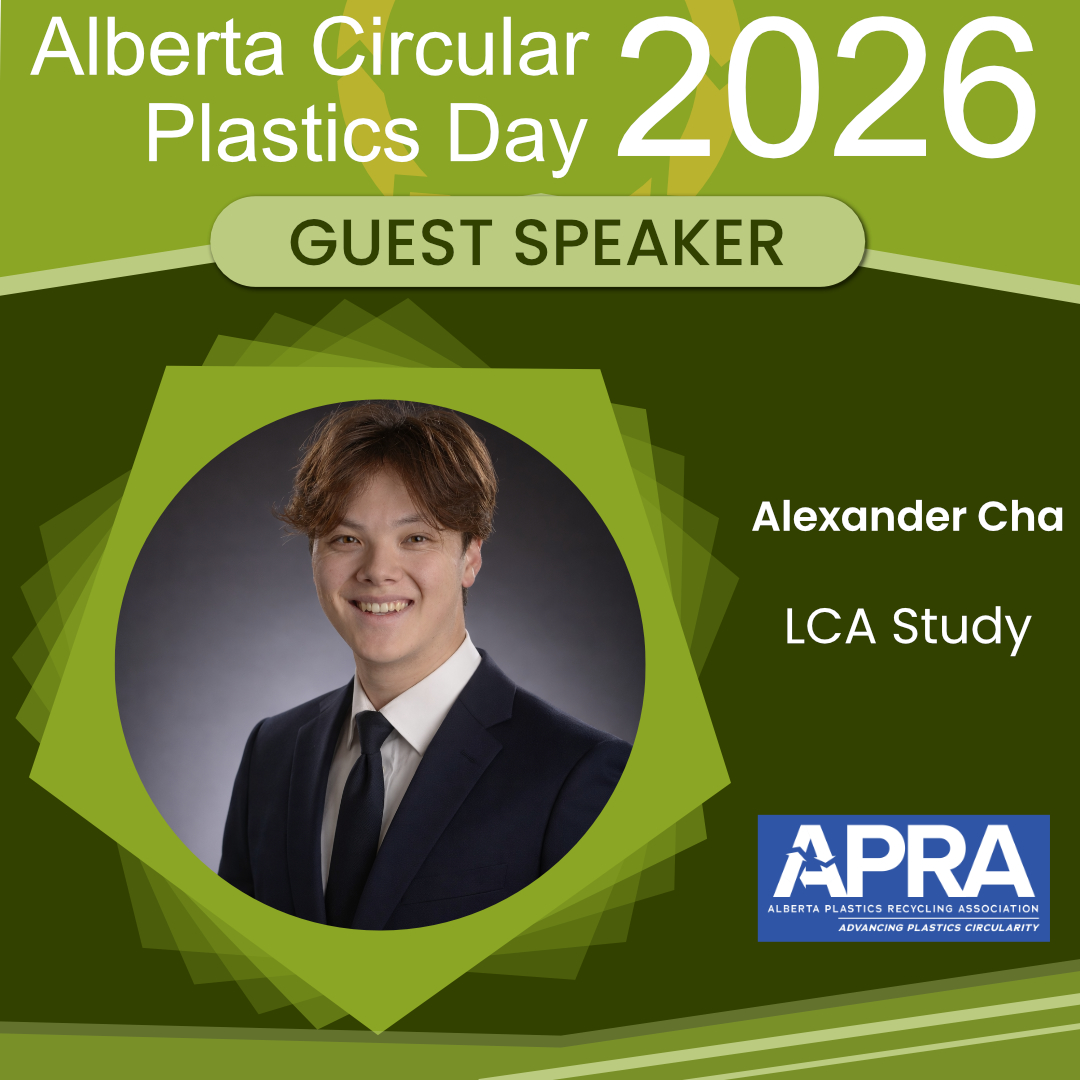
Alexander Cha

LCA Study

Alexander Cha is a young sustainability professional specializing in life cycle assessment (LCA), circular economy strategy, and Canadian packaging systems. His master’s research focuses on quantifying the environmental trade-offs of milk packaging in Canada across single-use plastics, paper-based cartons, and both single-use and reusable glass, evaluating how variables like packaging mass, recycling performance, transportation distance, and grid decarbonization influence real-world outcomes.

He has professional experience in environmental consulting, supporting regulatory-aligned reporting and project coordination across Western Canada, and brings a practical, systems-focused lens to sustainability challenges. His work sits at the intersection of data-driven decision-making and policy relevance, with a particular interest in Extended Producer Responsibility (EPR), plastics management, and designing systems that reduce environmental burdens without shifting impacts elsewhere.

Alexander’s interdisciplinary approach combines environmental modelling with systems thinking to support industry and policy leaders in making smarter packaging decisions, grounded in measurable performance, operational feasibility, and circular economy principles. 


Dialog window
Antoinette Smith

Guest Speaker

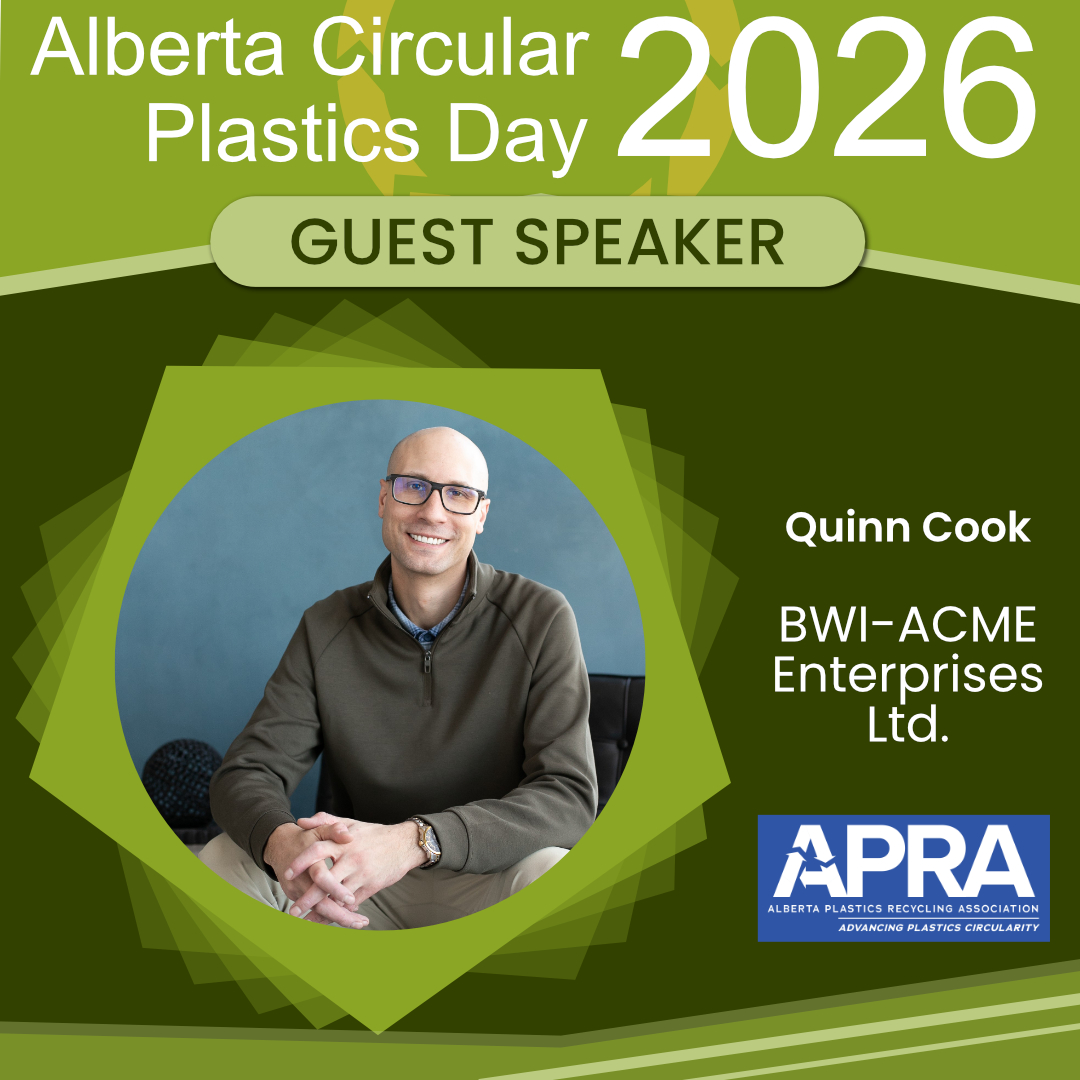
Quinn Cook

BWI‑Acme Enterprises Ltd. (BWI)

Quinn Cook, CEO and Co‑Owner of BWI‑Acme Enterprises Ltd. (BWI), has over 15 years of experience in manufacturing, transportation, and bulk packaging. Quinn brings practical insight into how Bulk Bags (FIBCs) can be reused, recycled, and redesigned to support a more circular plastics economy. At Alberta Circular Plastic Day, they’ll break down Bulk Bag sustainability in a simple, accessible way.


Dialog window
Antoinette Smith

Guest Speaker

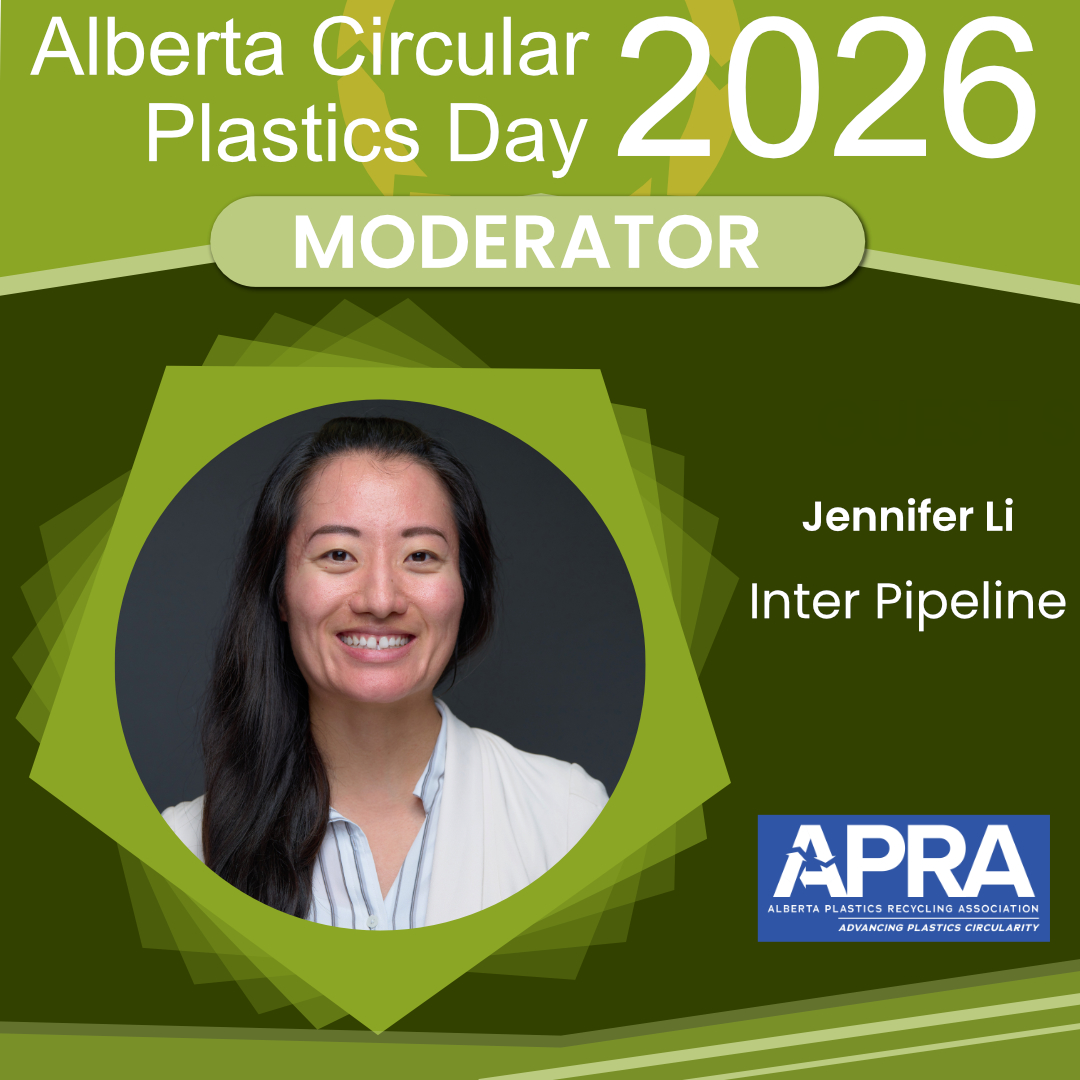
Jennifer Li

Inter Pipeline

Jennifer Li is a key member of the Sustainability team at Inter Pipeline Ltd, where she leads initiatives to advance circularity within the company’s Polymer business. She holds a Bachelor of Science degree in Chemical Engineering and brings a wealth of experience across diverse sectors, including petrochemicals, midstream operations, and clean fuels. Throughout her career, Jennifer has held roles spanning engineering, project management, and business development, giving her a unique perspective on driving sustainable innovation in the energy and chemical industries.

Jennifer is passionate about food security and reducing food waste. She was the first VP operations for the Leftovers Foundation and was responsible in standing up the day to day operations and coordination of food rescue initiatives.


Dialog window

Exhibitor

Peer Pallets Inc

Peer Pallets is a new company that is located in Okotoks, Alberta.

We are not a company that recycles plastics, but finding ways to reduce plastic consumption. Our first product on displa is a pallet with a built-in reusable packaging system. This pallet eliminated the need for people shipping merchandise on pallets to ever need banding or stretch wrap again.

Wherever the pallet goes, the wrap goes with it. The wrap can securely wrap anything from an inch tall, up to 8′ high.

The wood used to build this pallet on display, was made from construction materials that were heading to the landfill.

Stretch wrap is made from LDPE and is usually one of the plastics that’s the easiest to recycle. For some reason, stretch wrap seems to retain a lot of moisture in the recycling process, making it difficult to recycle in some instances.

Dialog window

Turning Agricultural Waste into Biodegradable Packaging: Rapeseed Protein as a
Plastic Alternative

Frage Abookleesh, Punita Upadhyay, and Aman Ullah

As concerns over the environmental impact of petroleum-based polymers continue to rise, interest in biodegradable packaging derived from agricultural materials is growing. Canola meal (CM), a low-value by-product of canola oil extraction, is typically unsuitable for human or animal consumption due to its toxicity. However, its high storage protein content, renewability, biodegradability, and affordability make it a promising candidate for sustainable packaging applications. Rapeseed proteins exhibit versatile physicochemical properties, positioning them as a viable renewable alternative to conventional plastic packaging.

This study investigates the development of biodegradable food packaging films by blending rapeseed protein with chitosan, enhanced through compatibilization with montmorillonite (MMT) and citric acid. The resulting films were assessed for key performance attributes, including mechanical strength, thermal stability, water resistance, barrier properties, recyclability, and biodegradability—critical factors for replacing single-use plastic packaging.

Dialog window
Antoinette Smith

Exhibitor

Curtis Ltd

Curtis’ Environmental Services Division leads the way in agricultural recycling, providing a comprehensive, end-to-end solution for sustainable waste management. Curtis is the Largest Agriculture Plastic Container Recycler in Alberta, Saskatchewan, & Manitoba. From pickup and logistics to processing, shredding and cleaning, Curtis ensures that every step of the recycling journey is handled with efficiency and care. By turning agricultural waste into reusable resources, Curtis not only supports clients in reducing their environmental footprint but also drives innovation in sustainability across Western Canada.

Dialog window

Low Concentration Microplastic Detection through Raman Spectroscopy Probe

Muhammad Burhan, Curtis Allen, Trace Malcolm, Quamrul Huda

Detecting microplastic particles as well as quantification and material characterization has been a challenge. Offline processes involving optical microscopy and analytical chemistry techniques are time consuming. Online measurements, with samples collected from a bypass line can in principle provide particle information in a much shorter time. However, the detection of microplastics through inline/online process in real time is challenging especially when material characterization is involved. In this presentation, work towards an automated system for detection of microplastics at low concentrations through Raman spectroscopy is presented.

Dialog window
Antoinette Smith

Guest Speaker

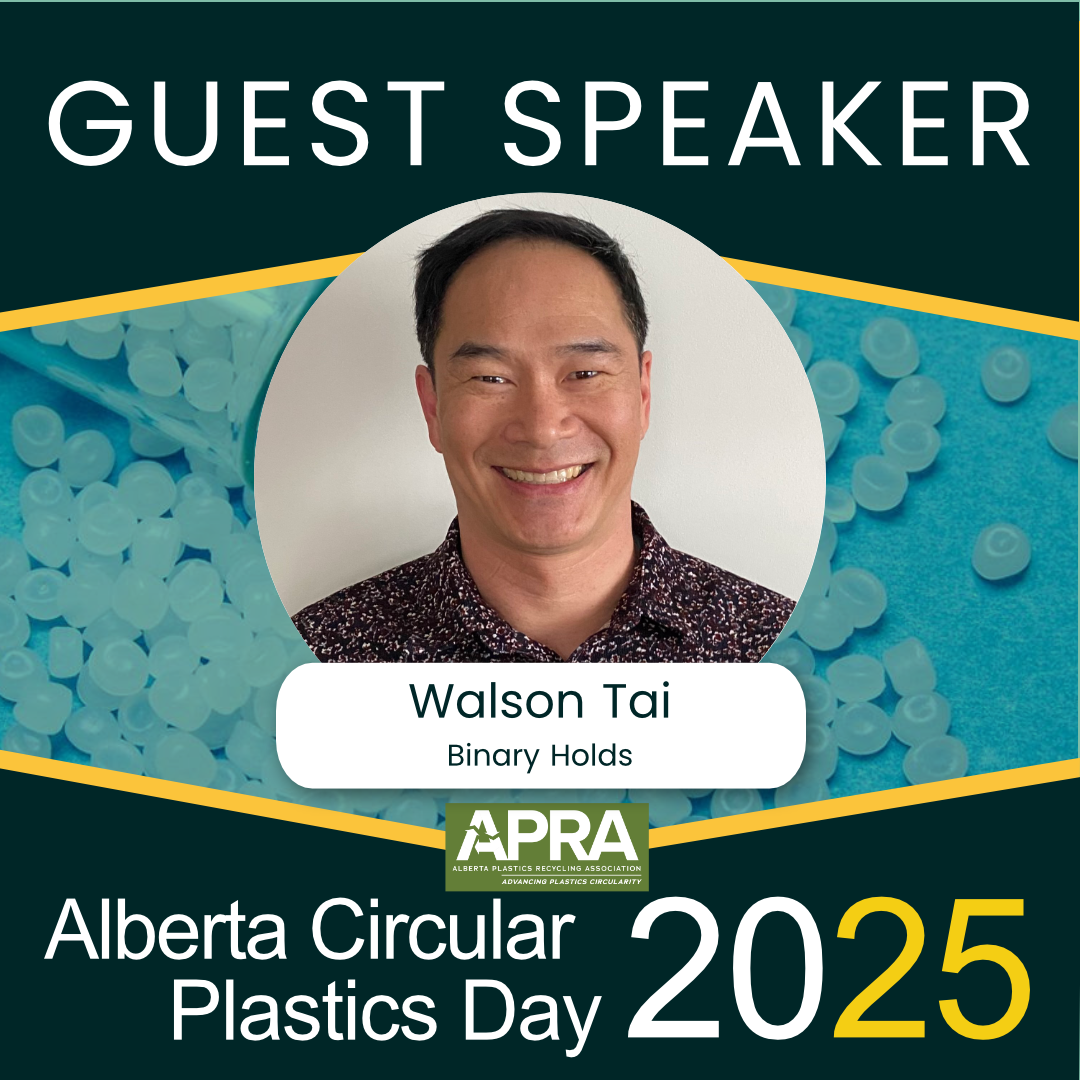
Walson Tai

Binary Holds

Walson Tai has been in the climbing industry since the early 90’s and is the co-owner of the Calgary Climbing Centres, Flashed Climbing, Binary Holds, and Magic Labs. In 2014, Walson founded Binary Holds which has since become Canada’s largest climbing hold manufacturer. In 2022, Binary Holds set out to be a leader in the climbing hold industry and transitioned from manufacturing urethane to recyclable thermoplastics in the effort to make climbing hold manufacturing more sustainable and environmentally responsible. When Walson is not working you can find him climbing, skiing, biking, and spending time with his wife and two daughters.


Dialog window
Antoinette Smith

Guest Speaker

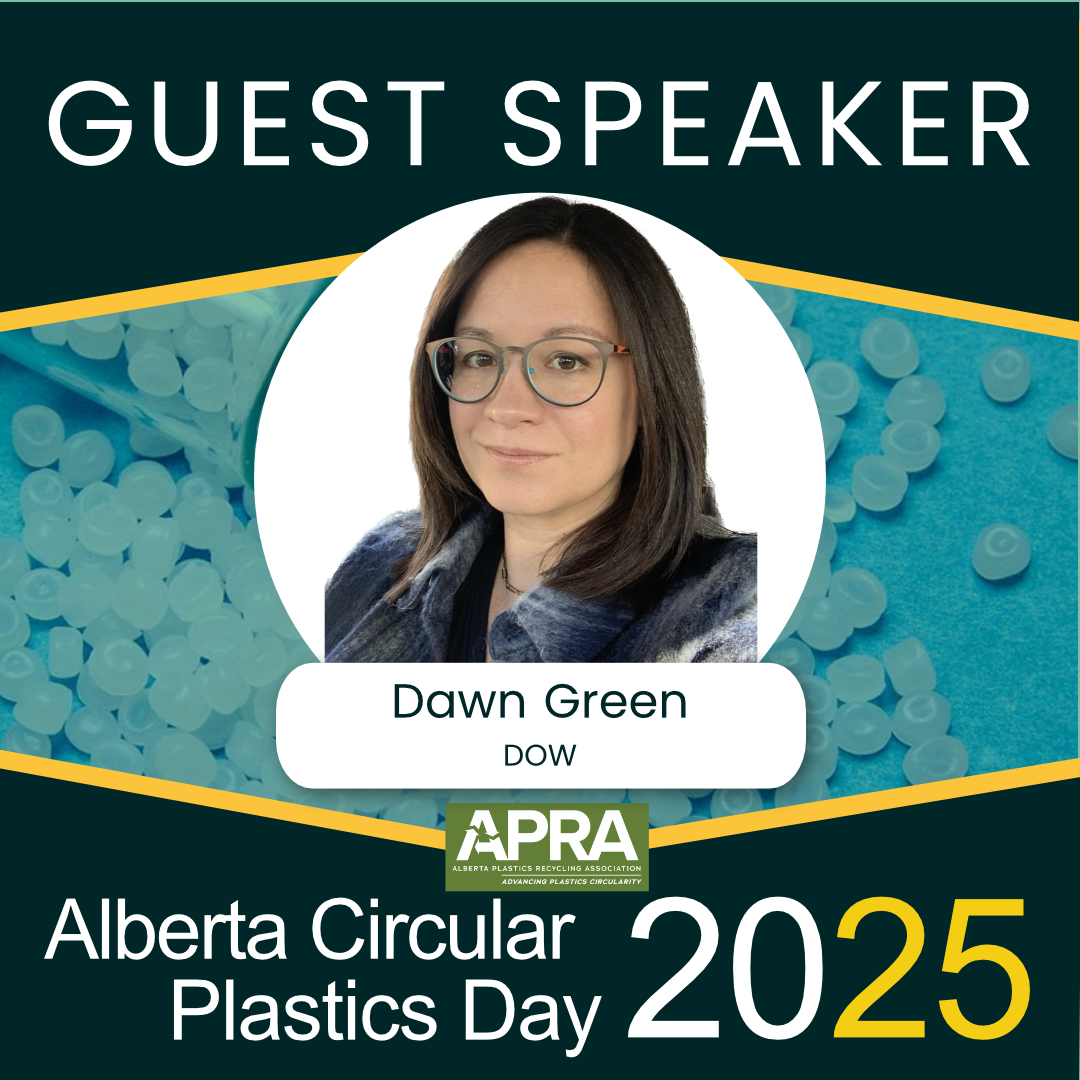
Dawn Green

DOW

Dawn Green is a Senior Project Manager at Dow Canada, where she leverages her Chemical Engineering degree from the University of Alberta to tackle challenging problems. Dawn is passionate about being part of high-performing teams and unravelling the complexities of technology and business.

Currently, Dawn holds the role of Fort Saskatchewan Path2Zero Program Decarbonization Lead, overseeing the strategic alignment and technical coordination of a multi-generational decarbonization plan. This includes integrating carbon capture and storage technologies for both the proposed mega-project and existing facilities at the Fort Saskatchewan site. Dawn is responsible for ensuring the successful integration of these advanced technologies to achieve the world’s first net-zero carbon emissions integrated ethylene cracker and derivatives site with respect to scope 1 and 2 carbon dioxide emissions.

Dawn holds a Bachelor of Science in Chemical Engineering and is a Professional Engineer (P. Eng.) in the province of Alberta.


Dialog window

Plastic Recycling and Upcycling via Additive Manufacturing

Nasim Zaman Piyas

Plastics are one of the most pressing environmental challenges, with billions of tons accumulating in landfills and oceans. This project, part of the Global Center for BioPlastics, focuses on recycling and upcycling bio-based plastics, along with all seven types of plastics (PET, HDPE, PVC, LDPE, PP, PS, and others), through a large-scale additive manufacturing and an autonomous production line. By integrating automation, AI-driven sorting, and advanced extrusion technologies, we aim to develop a fast, robust, and affordable recycling-to-production system that transforms plastic waste into high-value, sustainable products. This initiative supports Canada’s circular economy by reducing plastic pollution, cutting GHG emissions, and minimizing landfill dependency while pioneering a scalable, portable, and environmentally responsible manufacturing solution.

Dialog window
Antoinette Smith

Guest Speaker

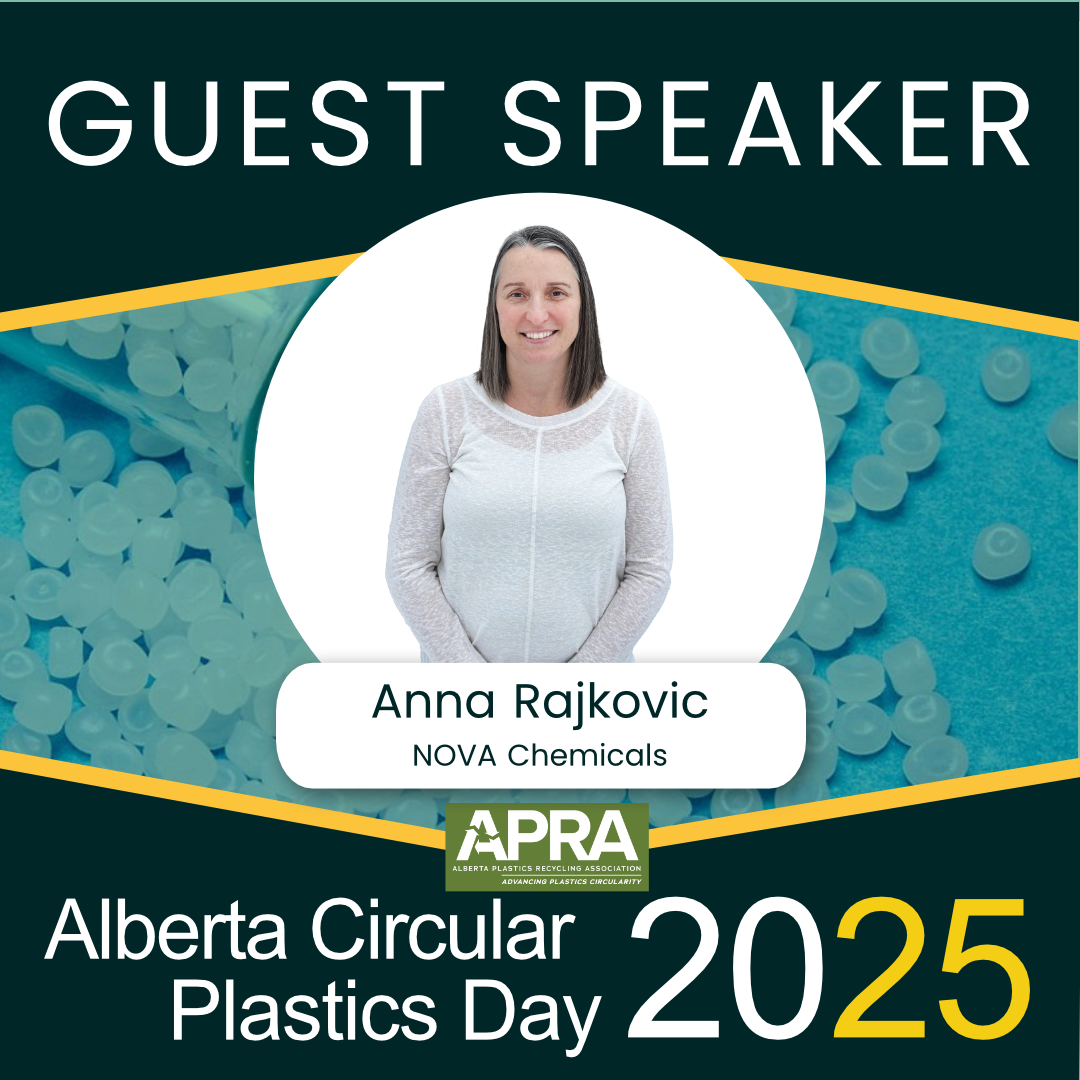
Anna Rajkovic

NOVA Chemicals

Anna Rajkovic is the Mechanical Recycling Market & Innovation Manager at NOVA Chemicals. In her role, she is responsible for the company’s PCR product portfolio, and more broadly driving circularity and building end markets through collaboration with plastic converter customers and across the entire plastics value chain. Anna joined NOVA Chemicals in 2008; prior to her current role she held the positions of Circular Economy market manager, Circular Economy applications development specialist, as well as a technical service specialist for the drum and pipe markets. She has been deeply involved with industry associations like the Association of Plastics Recyclers (APR) and the Alliance to End Plastic Waste. Prior to joining NOVA Chemicals, Anna was a regional sales manager at KWH Pipe in Calgary. Anna has a Bachelor of Chemical Engineering from McMaster University in Hamilton, Ontario.


Dialog window
Antoinette Smith

Guest Speaker

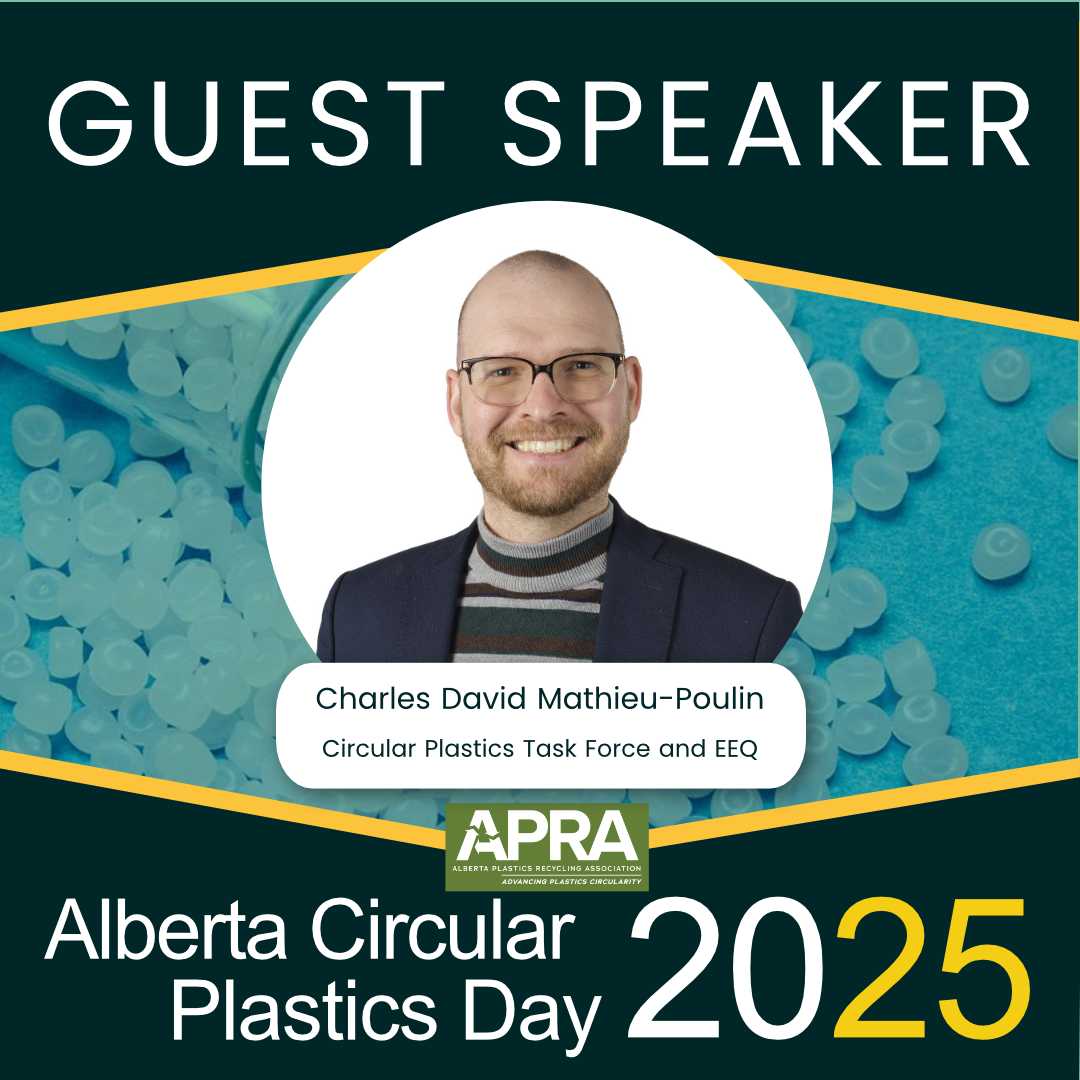
Charles David Mathieu-Poulin

Circular Plastics Task Force and EEQ

Charles David Mathieu-Poulin is a sustainability and circular economy expert, with over 12 years of experience in the printing, packaging and recycling industries. He is the Lead, Office of the CEO, Strategic Projects and Governmental Relations at EEQ, the producer responsibility organization in charge of modernizing the curbside recycling system in Québec through EPR. In this role, he ensures the implementation of the organization’s vision and strategy, and acts as liaison between EEQ and the various levels of government and others organizations in and outside Quebec. Charles David is also involved in several technical committees and industry initiatives, including as a strategic advisor to the Circular Plastics Taskforce (CPT).


Dialog window
Antoinette Smith

Guest Speaker

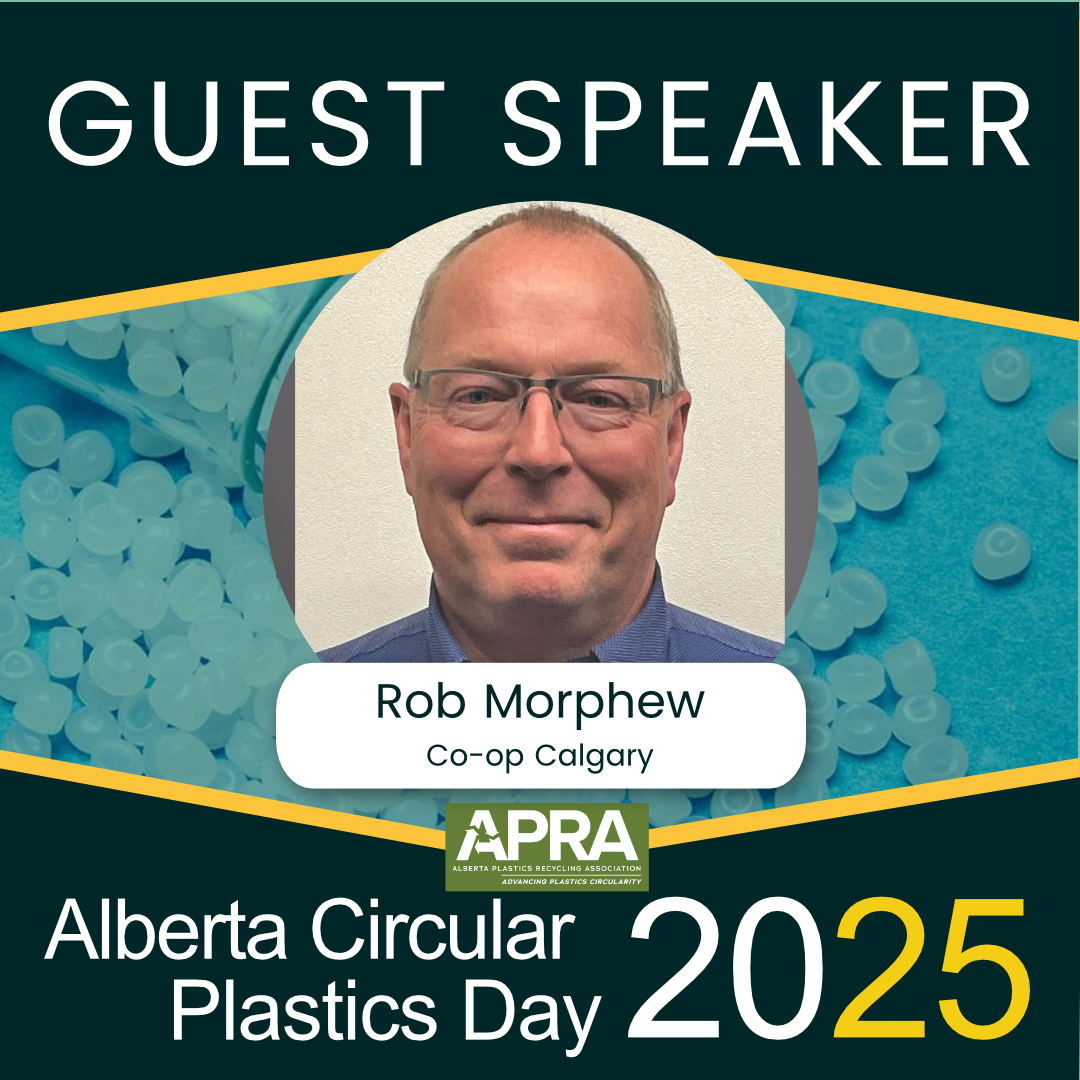
Rob Morphew

Co-op Calgary

Rob Morphew, Health, Safety and Environment Director, Calgary Coop. Have been with Calgary Coop for 20 years, and involved in Safety and Environment for over 30 years.

An Environmental Professional (EP), with Eco Canada, Canada’s only nationally recognized designation for environmental practitioners. Role includes, overseeing Occupational Health and Safety, Food Safety and Environmental programs with Calgary Coop.

As part of his role Calgary Coop, Rob oversees the waste, recycling, organics diversion programs. The recently launched EPR/PFAS/Plastic Registry requirements falls under the umbrella of Rob’s role. Rob will talk about the implementation of the EPR program at a local retail organization and share some of the learnings from this recently launched Alberta program for a local retailer.


Dialog window
Antoinette Smith

Exhibitor

RCA

The Recycling Council of Alberta (RCA) is a not-for-profit, non-political organization formed in 1987, and approved as an official charity in 1995. The RCA’s mission is to promote, facilitate and advocate for a Circular Economy in Alberta through waste reduction and resource conservation. recycle.ab.ca


Dialog window
Antoinette Smith

Exhibitor

CIAC

The Chemistry Industry Association of Canada is the association for leaders in Canada’s chemistry and plastic sectors. Chemistry and plastics are the third-largest industry in Canada – responsible for $94 billion in shipments in 2021 and employs 173,200 people. The Association represents close to 200 members and partners across the country. We provide coordination and leadership on key issues including innovation, investment, plastics, taxation, health and safety, environment, and regulatory initiatives. www.canadianchemistry.ca


Dialog window
Antoinette Smith

Exhibitor

Inter Pipeline

Inter Pipeline owns and operates world-scale energy infrastructure assets in Western Canada and Europe. With more than two decades of industry experience, our entrepreneurial spirit and commitment to innovation has positioned Inter Pipeline as one of Canada’s safest, fastest growing energy infrastructure companies. We take great pride in developing North America’s first integrated propane dehydrogenation and polypropylene complex.

Heartland Polymers, Inter Pipeline’s polypropylene brand, and The Northern Alberta Institute of Technology (NAIT) are working together on applied research to look at ways to reuse and recycle plastic in Canada. The ten-year agreement, known as Plastics Research in Action (PRIA), is funded by our $10 million commitment, which represents the largest applied research partnership in NAIT’s history.

To learn more about Inter Pipeline’s approach to sustainability, visit our website: www.interpipeline.com


Dialog window
Antoinette Smith

Exhibitor

NAIT

The Northern Alberta Institute of Technology (NAIT) is one of Canada’s leading applied research polytechnics. Through our local and international industry partnerships, we create and improve processes, develop technologies and implement services. Our industry-tailored solutions are created to address the complex needs of our partners and to help them drive impact for their customers and for our economy.
Our applied research aims to create maximum impact by advancing clean technology and striving for the sustainable development of the economic sectors anchored in Canadian and Albertan natural resources, technology and innovative media.

NAIT is collaborating with Heartland Polymers on the Plastics Research in Action (PRIA) initiative, a 10-year, $10 million applied research program that focuses on exploring opportunities for society to reuse and recycle plastic waste. https://www.nait.ca/nait/home


Dialog window
Antoinette Smith

Exhibitor

REAC

Vision: The Society of High Prairie Regional Environmental Action Committee supports the protection and enhancement of the natural environment.

Mission: The mission of the Society of High Prairie Regional Environmental Action Committee involves both public education about and activities supporting responsible waste management, sustainable energy production, sustainable resource development, airshed and watershed protection in our region.

REAC’s newest goal is the Plastics Remanufacture Project:

We can re-manufacture plastic at the locations it becomes waste!

REAC’s research project (funded by Dow Canada) with the University of Alberta department of mechanical engineering is complete! Dioxins/furans were not found in small scale plastics recycling equipment, and VOC’s were within the standard for human health.

Our fundraiser is now live: https://give.crowdfunding.alberta.ca/12SVF5?ref=ab_2CqId3! Please help us set up a pilot project in partnership with rural, remote, and Indigenous communities in Northern Alberta to hire artists, artisans, and technicians to start doing the work of re-manufacturing plastic. Communities need a comprehensive business plan to win, and our partners Community Futures will assist to write it. According to the Precious Plastic model, the winning community will buy clean post-consumer plastic ‘waste’ from their citizens and make new things!

YouTube channel: https://www.youtube.com/@REACinfo/playlists

Website: https://www.reacinfo.ca/


Dialog window
Antoinette Smith

Exhibitor

Circular Materials

Circular Materials is a national not-for-profit that was established by Canada’s leading producers to support them in meeting their requirements under extended producer responsibility regulations. Our objective is to improve the recovery of materials by implementing a harmonized approach to recycling
across Canada.
We are committed to building effective recycling systems that ensure materials are collected, sorted, processed, and recycled. In addition, we are returning material back to producers to be used as recycled content in new packaging and products, ensuring full circularity and benefitting people and the planet. Learn more: circularmaterials.ca


Dialog window
Antoinette Smith

Exhibitor

Merlin Plastics

Merlin Plastics is western Canada’s largest post-consumer and post-industrial plastics processor. Merlin Plastics accepts and recycles the following grades of plastics: #1 PET, #2 HDPE, #4 LDPE, #5 PP, # 6 PS, & #7 other plastics such as PC, TPO, etc. Our organization partners with local public and private collectors, recyclers and individual commercial generators of recyclable plastics. 


Dialog window
Nova Chemicals

Exhibitor

Varme Energy

Varme is building the next generation of waste-to-energy facilities featuring cutting-edge carbon capture technology. Despite our best efforts to reduce, reuse, and recycle, there will always be waste left behind. With Varme’s waste-to-energy facilities, that leftover waste is no longer a burden. Instead, it’s transformed into valuable, sustainable energy that powers our communities. Together, we can close the loop on waste. Our waste-to-energy facilities turn everyday household garbage into clean electricity and heat for your community. We safely capture and store all emissions, making the entire process carbon-negative, and leaving a legacy that future generations will be proud of.

Dialog window
Nova Chemicals

Exhibitor

The Mother Earth

Mother Earth Inc. was founded in 2021 in the midst of the global Covid-19 pandemic. Focused on creating a brighter tomorrow, we set our sights on a growing issue: Plastic Waste. In order to protect the environment for future generations, sustainable solutions are needed. By utilizing green technologies, we plan to collect, separate and manufacture waste plastic polymers to make a range of everyday consumer and commercial products. From parking pads to building materials, our goals is to reduce the amount of waste entering our environment and usher in an environmentally conscious industry, currently in its infancy.
Mother Earth Inc. offers a comprehensive product portfolio consisting of various sustainable solutions made from recycled plastic waste. Each product is designed with a focus on durability, functionality, and environmental responsibility. The following is an overview of the company’s product offerings:

  • Landscaping Tiles
  • Sidewalk Slabs
  • Driveway tiles
  • Parking Curbs
  • Traffic Barriers
  • Wall Panels
  • Foundation Beams
  • Cinderblocks
Dialog window
Nova Chemicals

Exhibitor

EFS-plastics Inc.

EFS is a recycler and processor of mixed plastics specializing in class 2,4 and 5 and a producer of 100% PCR resin pellets.

Founded in 2007, Environmentally Friendly Solutions, better known as EFS-plastics Inc. has more than 25 years of experience in post-consumer plastic recycling between Germany and Canada. Located in Listowel, Ontario, in a 75,000 square foot facility on 10.6 acres of land, and a 90,000 square foot facility in Hazleton, Pennsylvania, we divert 70,000,000 lbs/year from landfills. The company now has a location in Lethbridge, AB.

See the corporate website for more details: https://www.efs-plastics.ca/.


Dialog window
Nova Chemicals

Exhibitor

Cleanfarms

Cleanfarms is a non-profit agricultural industry stewardship organization that contributes to a healthier environment and a sustainable future for Canadian agriculture by developing and operating programs across Canada specifically for farmers that collect used ag plastics for recycling, as well as other ag-related used and unwanted materials for recycling or safe disposal.
www.cleanfarms.ca


Dialog window
Nova Chemicals

Exhibitor

NOVA Chemicals

NOVA Chemicals is reshaping plastics for a better, more sustainable world. To achieve this, we are focused on the following:

  • Delivering innovative solutions to make everyday life healthier and safer
  • Being a catalyst for a low carbon, zero plastic waste future
  • Unlocking the full potential of our people and partnerships

Our industry-leading portfolio of virgin and recycled polyethylene resins and best-in-class technical expertise set us apart. Customers use our products to create easy-to-recycle and recycled content films, packaging, and products for various end-use applications. Headquartered in Calgary, Alberta, Canada, NOVA Chemicals is wholly owned by Mubadala Investment Company of the Emirate of Abu Dhabi, United Arab Emirates. Learn more about our Polyethylene and Olefins businesses.


Dialog window
Antoinette Smith

Exhibitor

Scion Instruments Canada Limited

Scion Instruments designs, develops, supplies and supports GC, GC-MS, LC and Compass CDS (chromatography data system) product lines. Built on the history of Varian and Bruker chromatography instruments, Scion Instruments was acquired by the Techcomp group in 2014. Scion Instruments maintains a global infrastructure to support sales around the world. As well as providing support for Scion Instruments customers, there is also service and support available for users of legacy Varian and Bruker systems.


Dialog window
Antoinette Smith

Exhibitor

Dow Canada

For 80 years, Dow has been proudly innovating in Canada. We develop basic chemicals and plastics used to make a broad range of innovative and technology-based products and solutions in the packaging, industrial and infrastructure, and consumer care industries.

Dow Canada is headquartered in Calgary, Alberta and has manufacturing facilities in Alberta and Ontario.

Dow has outlined a clear path to decarbonize our manufacturing facilities while growing and delivering low carbon products to customers. Dow’s proposed Fort Saskatchewan Path2Zero expansion project will create the world’s first net-zero carbon emissions integrated ethylene cracker and derivatives site with respect to scope 1 and 2 carbon dioxide emissions.


Dialog window
Antoinette Smith

Moderator

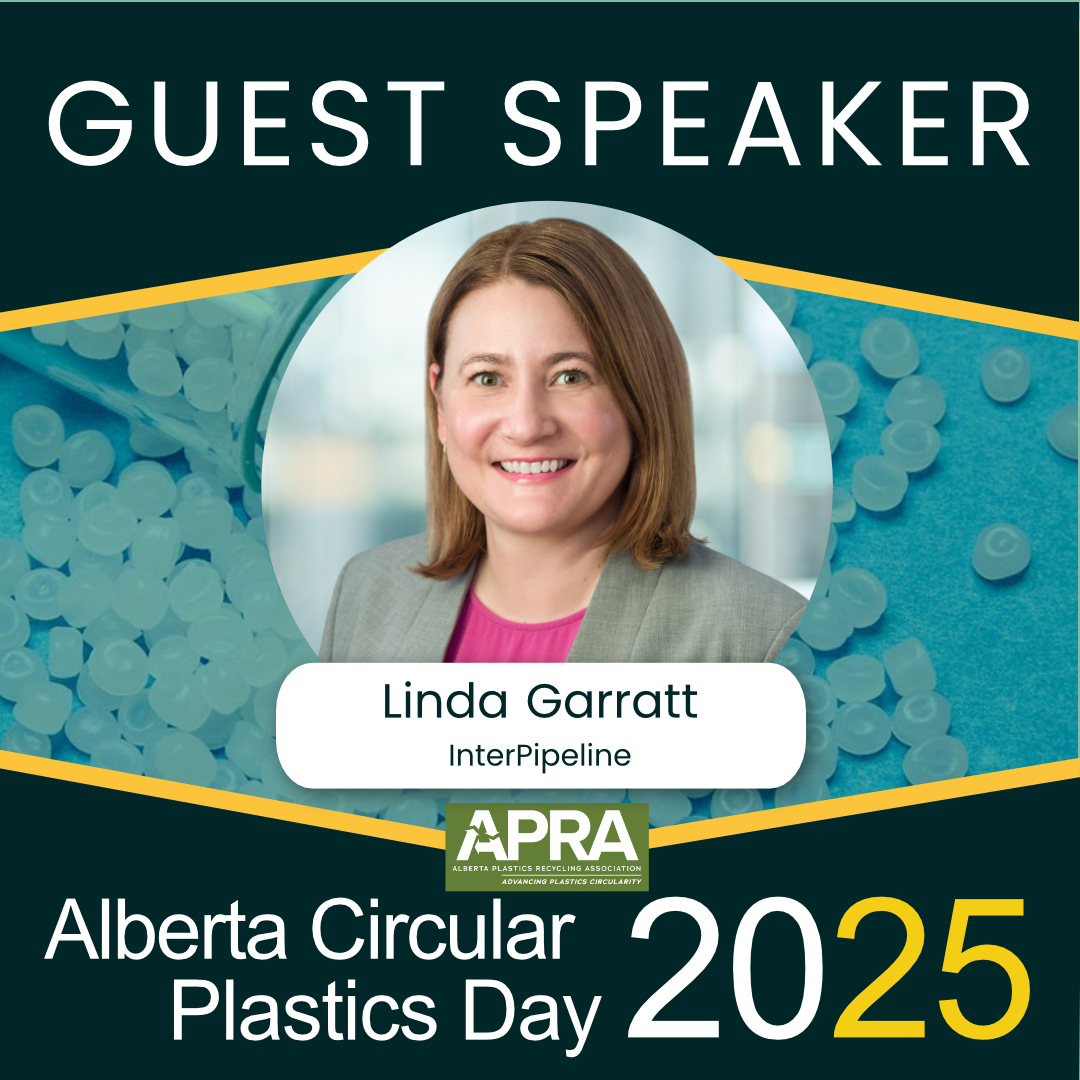
Linda Garratt

Inter Pipeline

As Associate General Counsel and Director of Sustainability for the Heartland Business Unit at Inter Pipeline, Ms. Garratt is responsible for legal oversight for all matters relating to the Heartland Business Unit and building and implementing a sustainability strategy relating to emissions and plastics circularity for the Heartland Business Unit. Prior to joining Inter Pipeline in 2018, Ms. Garratt worked in-house with two other mid-stream companies, with significant experience in commercial work and project development. She holds a Bachelor of Arts Degree from the University of British Columbia and a Bachelor of Laws/Juris Doctorate Degree from Queen’s University and is a member of the Law Society of Alberta.

Ms. Garratt was a board member for four years and co-chair for two years with the Women’s Centre of Calgary and was a board member of the Association of Corporate Counsel Alberta Chapter as well.


Dialog window
Antoinette Smith

Guest Speaker

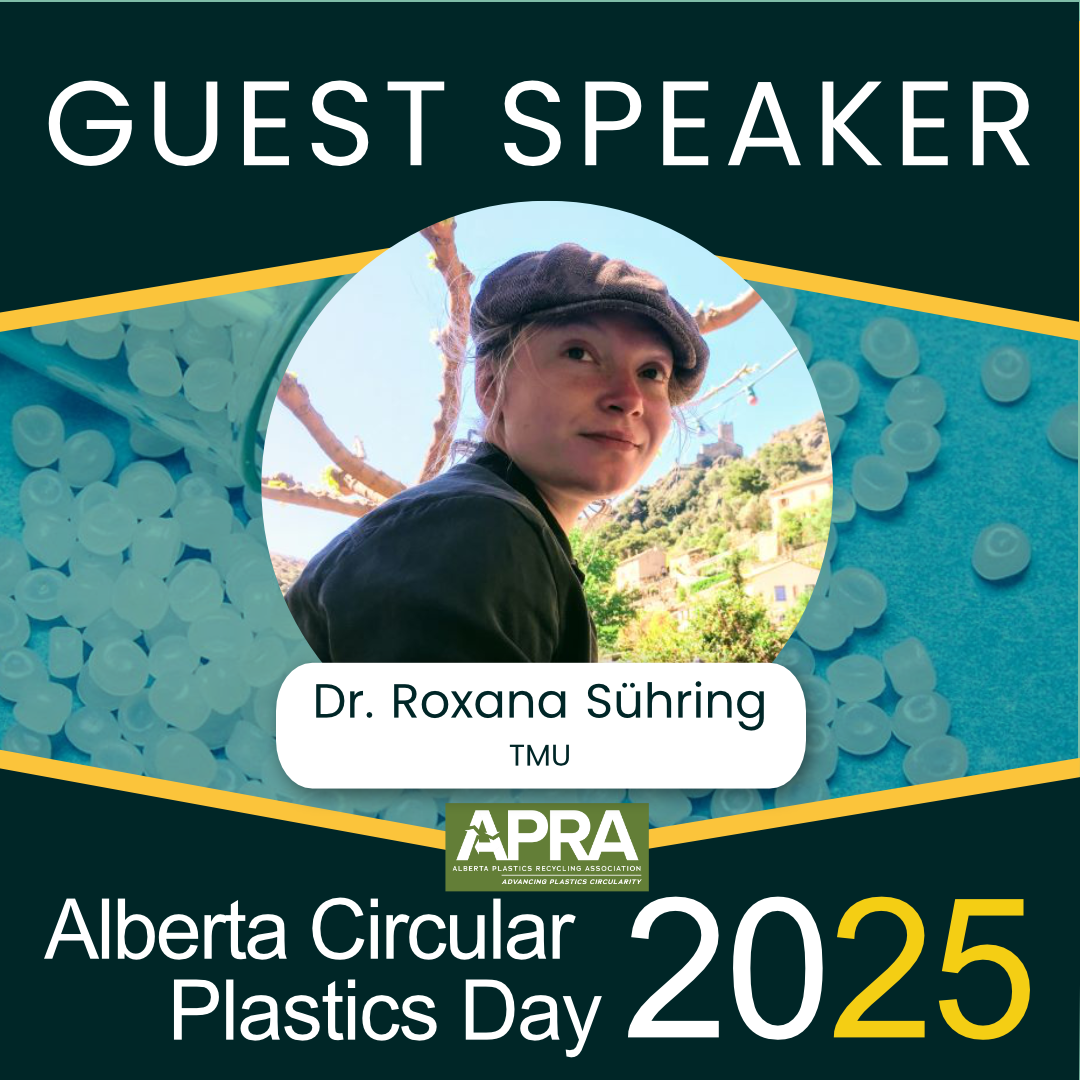
Dr. Roxana Sühring

TMU

Dr. Roxana Sühring is an Assistant Professor in Analytical Environmental Chemistry at the Department for Chemistry and Biology at Toronto Metropolitan University. She holds doctor of natural sciences (Dr. rer. nat.) degree in environmental chemistry from the Leuphana University in Lueneburg and conducted postdoctoral research in Germany, Canada, and Sweden. From 2016-2018 she led a regulatory scientist team at the Centre for Environment, Fisheries and Aquaculture Science. During this time, she also was the policy advisor to the Netherland’s delegation for the OSPAR Offshore Industry Committee (OIC) regarding offshore chemicals and advisor for the UK Ministry of Defence regarding potentially polluting shipwrecks.

Her interdisciplinary research encompasses the development of innovative analytical strategies for the characterization of plastic pollutants in water as well as the development of analysis strategies to help understand the chemical, physical and socio-economic factors that drive the observed pollution patterns.

She is a sought-after invited and keynote speaker at international conferences and was featured in the Agilent Technologies Podcast “Spectral Stories from the North”, the microplastic information campaign by Ocean Diagnostic, le Journal de Québec documentary “Microplastiques: Menace dans le Saint-Laurent”, and as editor and author in the children’s journal “Frontiers for Young Minds”.


Dialog window

A Circular Economy Solution to Plastic Waste in the Beekeeping Industry: From
Prototype to Field Trial

Muhammad Arshad, Kelsey Deutsch, Emily Devereux, Tiffany Smith, Izzy Corvalan,
Deeptha Wickramasekara, Justice Asomaning, Xiaohua Kong
Plastic waste is an increasing concern for many industries due to the potential environmental harm that can occur when plastic waste is not properly managed.
Transforming a linear economy of plastic where the materials are disposed of at their end of life, into a circular economy where plastics become a resource for new products, is one way to address the rising concern. To this end, an opportunity to improve the end of life of beehive foundations used in the industry has been developed in collaboration with the Alberta beekeeping industry. Currently beehives foundations are manufactured from difficult to recycle plastics, such as polystyrene, and are disposed of at their end of life. As such, this work has developed prototype 3D printed beehive foundations from polypropylene as an alternative material to current beehive foundation materials to facilitate recycling of used foundations. A washing procedure has also been developed to remove residue that limit the recyclability of beehive foundations. Each step is an important aspect to address in improving the end of life circularity of beehive foundations in Alberta and beyond.

Dialog window

Targeting Approaches to Facilitate Recycling of Drinking Pouches in Alberta

Kelsey Deutsch, Muhammad Arshad, Emily Devereux, Tiffany Smith, Izzy Corvalan,
Deeptha Wickramasekara, Selamawit Messele, Heather Kaminsky, Justice Asomaning,
Xiaohua Kong

Multilayer drinking pouches pose a challenge for conventional recycling streams and as a result, pouches made form multilayer films are often not recycled within Alberta. Multilayer films can have a complex structure composed of multiple plastics, metals, adhesives, and inks. The combination of materials improves the overall functionality of films relative to one material alone. To facilitate recycling of multilayer films, separation of the different plastics and components is required. To that end, drinking pouches have been characterized to understand composition of pouches commonly found in Alberta. By understanding the complex design of drinking pouches, targeted approaches can be developed for separation or conversion of pouch materials for recycling and value-added processes.

Dialog window

Guest Speaker

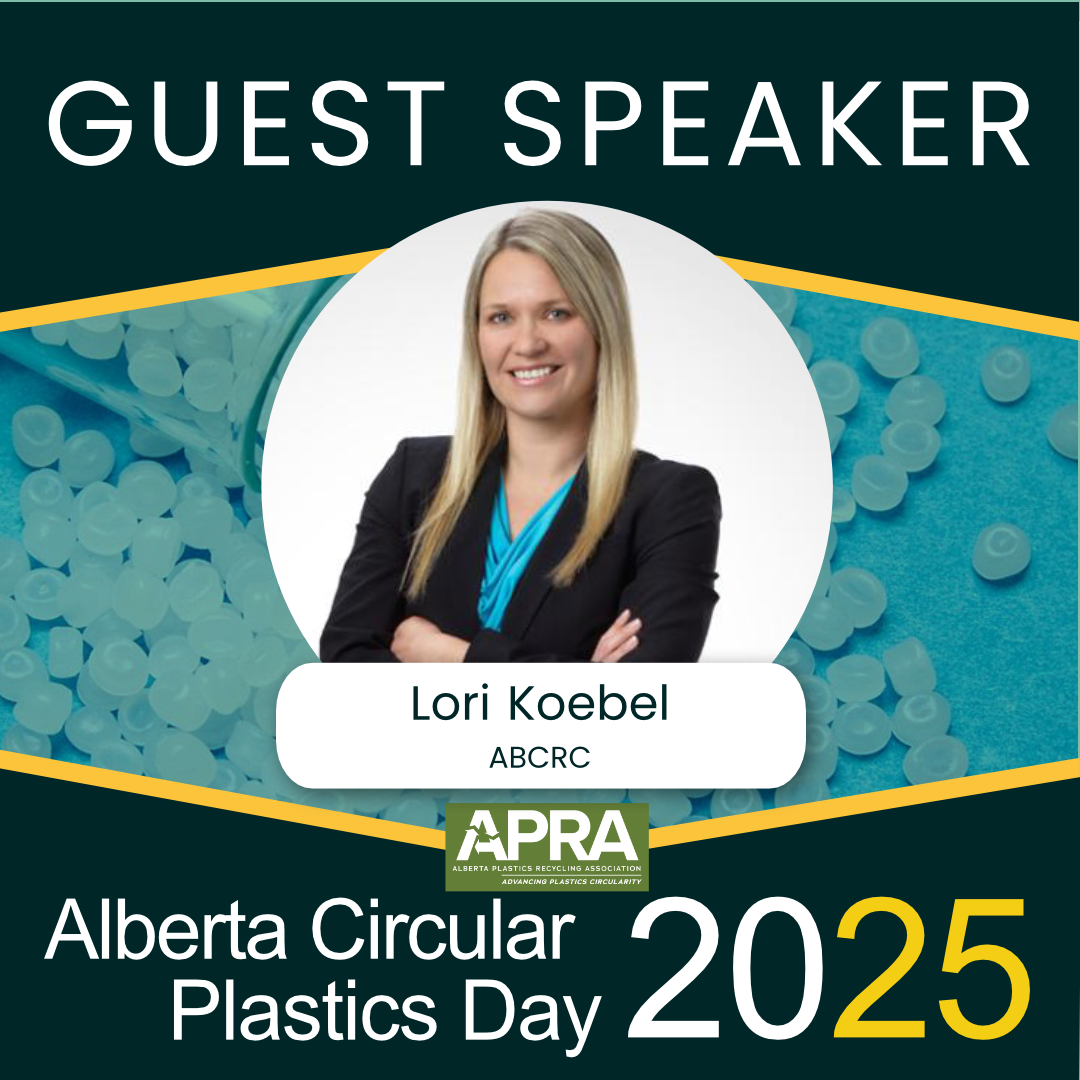
Lori Koebel

ABCRC

As Alberta Beverage Container Recycling Corporation’s (ABCRC’s) Director of Sustainability &amp; Stakeholder Relations, Lori leads efforts to drive engagement and awareness in beverage container recycling across Alberta. With over a decade of experience in the deposit return system, she has played a key role in advancing circular economy initiatives, collaborating with industry partners, policymakers, and communities to enhance recovery systems, improve consumer participation, and drive meaningful environmental outcomes. Lori is passionate about leveraging education and communication to accelerate sustainable behavior change and increase return rates.
Dialog window

Guest Speaker

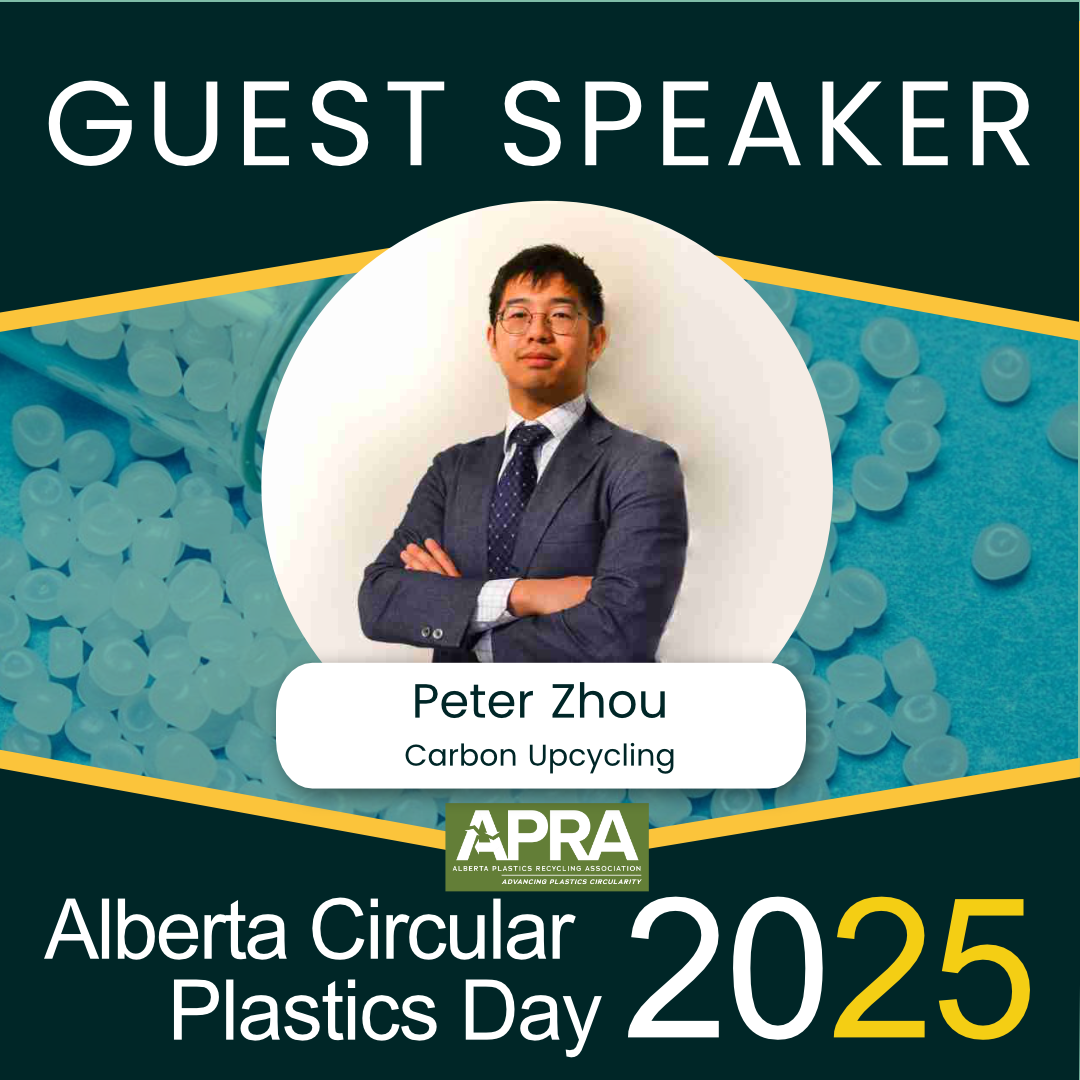
Peter Zhou

Carbon Upcycling

Peter joined Carbon Upcycling Technologies back in 2018 as an early-stage employee in and supported the company through its growth from pre-seed to Series A, and he currently leads advanced material and composites product development at Carbon Upcycling.

He’s passionate about bring together the best plastic value-chain partners and great materials to unleash new applications of thermoplastics. Over the past few years, he has managed collaborations that have launched several 1sts of its kind captured carbon solutions from degradable mulch films, cosmetic packaging, to industry leading performance 3D printing solutions.

On paper, he’s a professional engineer and was trained in chemical engineering, but in action, he’s a self-taught organic chemist with bit and pieces of processing experience in the plastic value chain.

Dialog window

Coupling Low-Cost Near Infra-Red Spectroscopy with Machine Learning: Accelerating Plastics Identification and Impurity Detection in the Recycling Industry

Authors: Mohammed Al-Khayyat, Arash Alizadeh, Salman Obaidoon, and João B. P. Soares*

Presenter: Mohammed Al-Khayyat Department of Chemical and Materials Engineering, University of Alberta, Edmonton, Canada 

The shift toward circularity demands cost-effective solutions for monitoring the composition and purity of plastic recyclates. In this project, we explore the integration of near-infrared (NIR) spectroscopy with machine learning to classify polyethylene (PE), polypropylene (PP), and their blends in the presence of other possible impurities. By analyzing the wavelengths and frequencies of NIR, one can determine the types and proportions of plastics in recyclate mixtures, while detecting other foreign materials such as fillers. The proposed framework leverages machine learning algorithms to correlate NIR spectral features with polymer properties, enabling rapid and accurate identification of PE, PP, and their blends. Additionally, the system is designed to detect impurities at low concentrations, providing recyclers with a practical tool to improve sorting time and efficiency. This work bridges advanced analytical techniques with scalable, low-cost solutions, supporting the development of high-quality post-consumer plastics for reuse in sustainable applications.

Dialog window

Solvent-Based Characterization of Polyolefin Recyclates: Advanced Tools for Precise Quality Control in Recycling IndustrySelective Dissolution and Precipitation: An Emerging Technology to Complement Mechanical Recycling

Authors: Salman Obaidoon, Arash Alizadeh, Mohammed Al-Khayyat, and João B. P. Soares*

Presenter: Salman Obaidoon Department of Chemical and Materials Engineering, University of Alberta, Edmonton, Canada 

The growing demand for sustainable products has driven the plastics sector to increase the use of post-consumer recyclates. However, tailoring the manufacturing processes for these materials often requires a detailed understanding of their microstructure and composition. In this study, we focus on polyolefins and introduce two advanced, solvent-based techniques that are used to precisely characterize molecular properties of polyethylene, polypropylene, and their mixtures. The specially-designed characterization tools presented here are: (1) high-temperature gel permeation chromatography with an IR detector (GPC-IR) and (2) crystallization elution fractionation (CEF). GPC-IR analysis measures the length and composition of polyolefin molecules present in a given recyclate. This information can be expressed in terms of average values or as entire distributions. Complementing this information, CEF offers a more detailed picture about the chemical composition of polyolefin chains being comprised of ethylene, propylene, or other 1-olefin molecular units. These advanced tools can enable recyclers and/or converters to have a precise control over the quality of polyolefin recyclates and to evaluate the suitability of recyclate materials for intended high-end applications.

Dialog window

Selective Dissolution and Precipitation: An Emerging Technology to Complement Mechanical Recycling

Authors: Arash Alizadeh, Mohammed Al-Khayyat, Salman Obaidoon, and João B. P. Soares*

Presenter: Arash Alizadeh Department of Chemical and Materials Engineering, University of Alberta, Edmonton, Canada

Selective dissolution and precipitation (SDP) is a physical recycling process that can separate and recover different types of polymers based on their solubilities in carefully selected solvent/antisolvent (S/AS) systems. This method offers certain advantages over other recycling technologies, including: (i) recovery of purified polymers with qualities equal or very close to those of virgin resins, (ii) preservation of polymer molecular weight and mechanical properties by avoiding chain degradation, (iii) retention of the value added to the material during the polymerization step, (iv) removal of additives, fillers, and odors, and (v) capability to separate multi-material composites, such as multi-layer packaging. The economic viability of SDP technology depends on the proper selection of efficient S/AS systems that can recover the target polymer(s) and allow for the purification and repeated use of the solvent and antisolvent components with minimum energy requirements and associated costs. Like other disruptive technologies, successful adoption of SDP recycling by the industry will depend on economic and market demands. In other words, polymer recyclates obtained from SDP must have acceptable quality but lower prices than virgin resins available commercially.

Dialog window

Beyond the Bag: Harnessing Methanotrophs for Sustainable Biodegradable Plastic Production

Over the past few decades, human activities in agriculture and industry have grown rapidly to meet the increasing demands for food and energy from a growing global population. While these activities are essential, they have also led to a significant rise in greenhouse gas emissions, contributing to global warming and climate change. Among the most potent GHGs is methane, a critical target for mitigation efforts. From biological perspective, methane represents the sole carbon and energy source for methanotrophic bacteria, the only known biotic sink for methane. Beyond their environmental role, methanotrophs have the potential to be used as microbial factories to produce value-added compounds. In addition to methane, methanotrophs can metabolize methanol, commonly known as wood alcohol, which adds up to the utilization of these bacteria as potent biofactories.

Dialog window

A Universal Approach to Characterize Mechanical Behavior for Polymers and Composites: A Case Study on Polycarbonate and Glass-Filled Polycarbonate

Characterizing viscous behavior of polymers is the most challenging task for determining their mechanical behavior, as the model for such a purpose is difficult to identify, especially when the microstructure and its influence on the viscous behavior are unknown. To overcome this challenge, an idea is described here to identify automatically the required model. In this work, polycarbonate (PC) and glass-filled polycarbonate (GF-PC) are used to demonstrate this idea. The current work is focused on the use of multi-relaxation (MR) test to show the viscous behavior, and a common three-branch model and a new five-branch model, both based on Eyring’s law, to simulate the viscous behavior. The preliminary study shows that while the three-branch model could provide accurate simulation of the deformation behavior of PC, the five-branch model is needed for the GF-PC. The study will then examine the feasibility of using computer programming to identify the suitable model automatically, under not only uniaxial loading provided by the MR test, but also multiaxial loading to introduce both tensile and shear deformation. This is on-going research, and the updated progress will be presented in the poster.

Dialog window

Circular Economy: Hard-to-Recycle Plastics from Electronic Waste

InnoTech Alberta has been reviewing the plastic circular economy for Alberta Innovates to identify key technology gaps and innovations in plastic recycling throughout the plastic value chain and to provide potential recommendations for supporting innovative technologies targeting hard-to-recycle plastics such as plastics associated with electronic waste (i.e., e-waste). Indeed, according to the World Health Organization, e-waste is one of the fastest growing solid waste streams in the world. In 2022, an estimated 62 million tonnes of e-waste were produced globally and only 22.3% was collected and recycled. Plastics constitute approximately 20% of e-waste, however, recycling of the plastics is hampered by the presence of brominated flame retardants. InnoTech Alberta is conducting research on ways to recycle the mixed-plastic waste in electronics, so that these plastics can be reused in an environmentally safe and healthy manner. In this research, formulations development, characterization and prototyping of composite material from the residual non-metallic material from e-waste were conducted. The emerging data indicates a significant increase in the mechanical properties of the composite composed of e-waste. In addition, the composites with e-waste plastics slow down significantly flame propagation. These findings not only open opportunities to use the new composite materials in several different applications where performance is required but can also enhance plastic e-waste recycling. 


Dialog window

Tri-Dung Ngo

InnoTech Alberta has been reviewing the plastic circular economy for Alberta Innovates to identify key technology gaps and innovations in plastic recycling throughout the plastic value chain and to provide potential recommendations for supporting innovative technologies targeting hard-to-recycle plastics such as plastics associated with electronic waste (i.e., e-waste). Indeed, according to the World Health Organization, e-waste is one of the fastest growing solid waste streams in the world. In 2022, an estimated 62 million tonnes of e-waste were produced globally and only 22.3% was collected and recycled. Plastics constitute approximately 20% of e-waste, however, recycling of the plastics is hampered by the presence of brominated flame retardants. InnoTech Alberta is conducting research on ways to recycle the mixed-plastic waste in electronics, so that these plastics can be reused in an environmentally safe and healthy manner. In this research, formulations development, characterization and prototyping of composite material from the residual non-metallic material from e-waste were conducted. The emerging data indicates a significant increase in the mechanical properties of the composite composed of e-waste. In addition, the composites with e-waste plastics slow down significantly flame propagation. These findings not only open opportunities to use the new composite materials in several different applications where performance is required but can also enhance plastic e-waste recycling.


Dialog window
Antoinette Smith

Guest Speaker

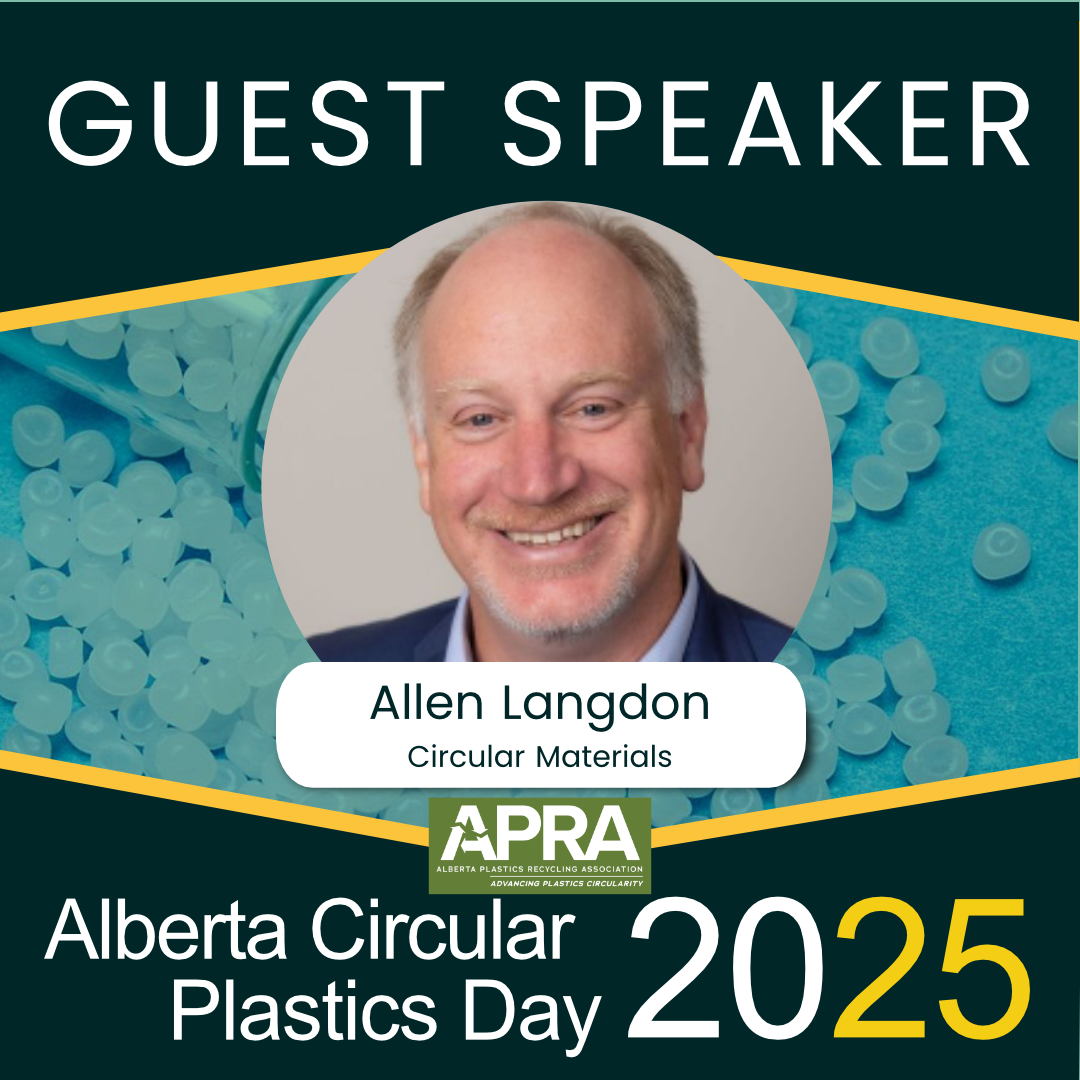
Allen Langdon

Circular Materials

As CEO, Allen is responsible for leading Circular Materials through the design, launch and implementation of extended producer responsibility (EPR) programs for paper and packaging in jurisdictions across Canada. This includes Ontario’s new blue box recycling system, the launch of Atlantic Canada’s first EPR program for paper and packaging in New Brunswick, and expansion into Alberta, the Yukon and Nova Scotia in 2025. His mission is to support producers with a robust not-for-profit service offering that advances the circular economy, delivers national harmonization of EPR services and harnesses competitive procurement to provide the best value for producers. 

Prior to joining Circular Materials, Allen served as the President and CEO of Return-It, British Columbia’s very successful used beverage container management program in Canada. In this role, Allen oversaw the modernization of Return-It’s collection network, which consists of more than 170 collection sites, including Return-It depots, Express Plus and Express & GO stations. Return-It has routinely exceeded a 75% recovery rate for used beverage containers in British Columbia, and its network has supported the collection of new materials, including waste electrical and electronic equipment. 

Allen also served as the Managing Director for Recycle BC, the first 100% EPR program for paper and packaging in North America where industry assumed full financial and managerial responsibility for the residential recycling system. 

Allen currently serves as an Advisory Board Member for the Washington State Recycling Development Centre. 


Dialog window
Antoinette Smith

Guest Speaker

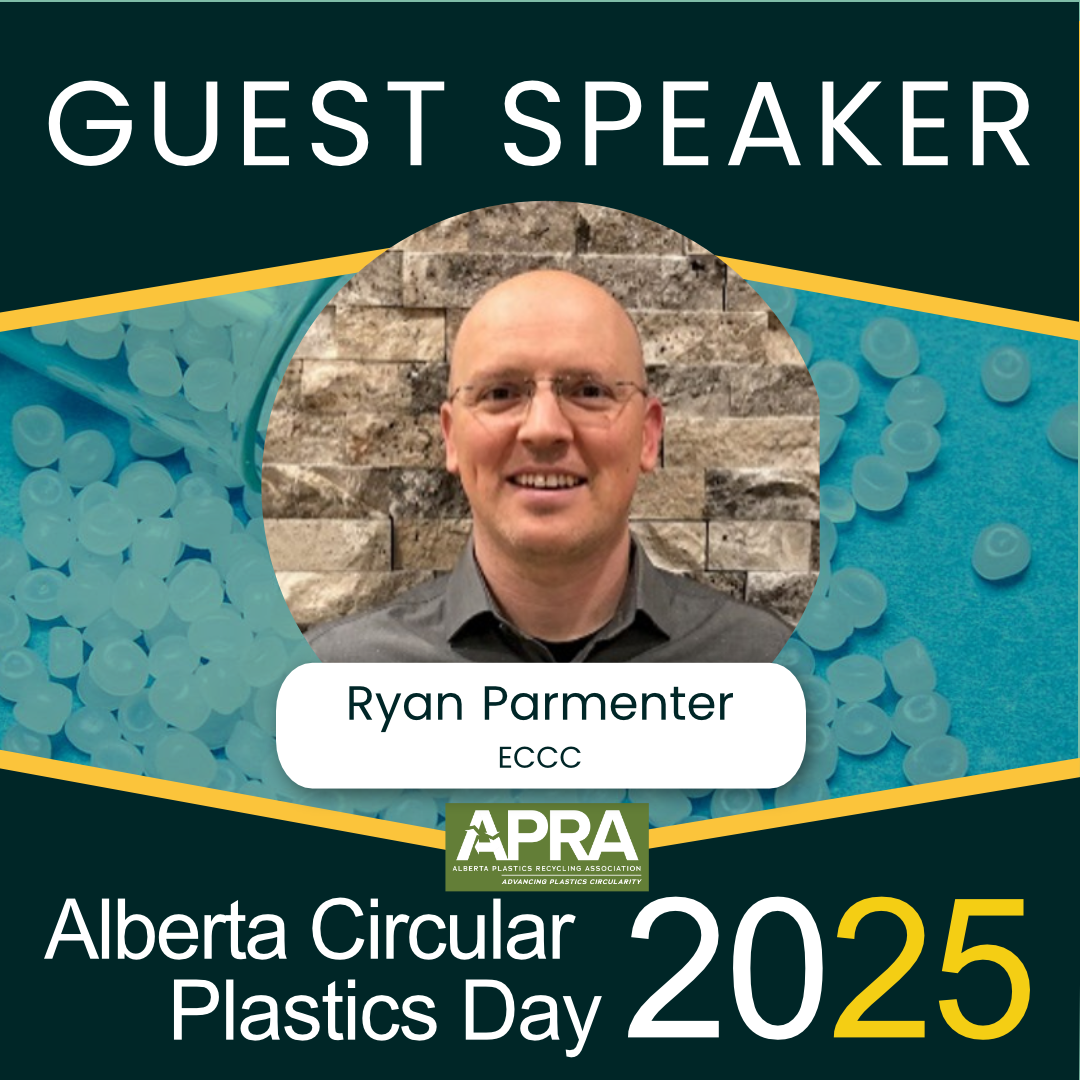
Ryan Parmenter

ECCC

Ryan Parmenter is the Director of Plastics and Marine Litter at Environment and Climate Change Canada (ECCC) where he leads the federal government’s horizontal initiative to advance a circular plastics economy for Canada. This includes working collaboratively to
develop domestic and international measures to reduce plastic waste and pollution. Ryan has held several positions in the federal public service working on a variety of environmental issues and has also worked at the Organisation for Economic Cooperation and Development (OECD).


Dialog window
Antoinette Smith

Guest Speaker

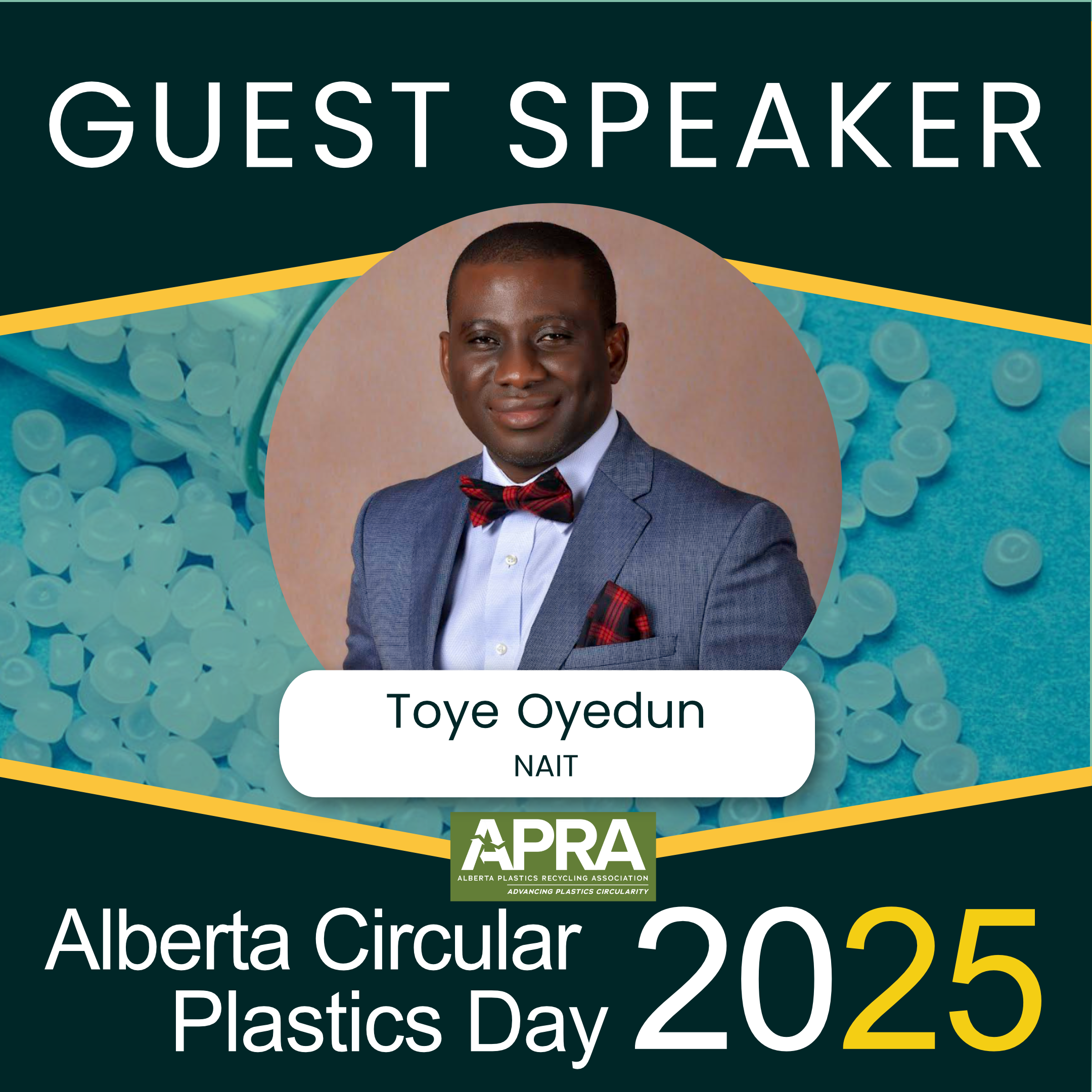
Toye Oyedun

NAIT

Toye Oyedun is a professional chemical engineer and accomplished research project manager, boasting over 17 years of expertise in project management, operational process development, process integration, and research engineering, focusing on sustainability and circularity.

He holds a Master’s degree in Advanced Chemical Engineering with Process
Systems Engineering from Imperial College London, UK, and a PhD degree in Chemical Engineering with a concentration in Energy from the Hong Kong University of Science and Technology.

Throughout his career, Toye has contributed to diverse projects globally, spanning Academia, Government and Industry. His areas of specialization include greenhouse gas emission reduction, life cycle assessment, plastic waste/municipal solid waste management, clean energy, water footprint analysis, and clean fuel production. Notably, Toye was part of the team that played a pivotal role in advancing bio-economy initiatives in Alberta while working as a research/program
analyst for the Government of Alberta.

Currently, Toye holds the position of Senior Project Manager (Research) for the Plastics Research In Action (PRIA) partnership at the Northern Alberta Institute of Technology (NAIT). In this capacity, he oversees the entire portfolio of projects under PRIA and serves as the research lead for some projects. One notable project is the Testing of Recycled Plastics in Asphalt to determine its viability under
Alberta’s climate conditions.


Dialog window
Antoinette Smith

Guest Speaker

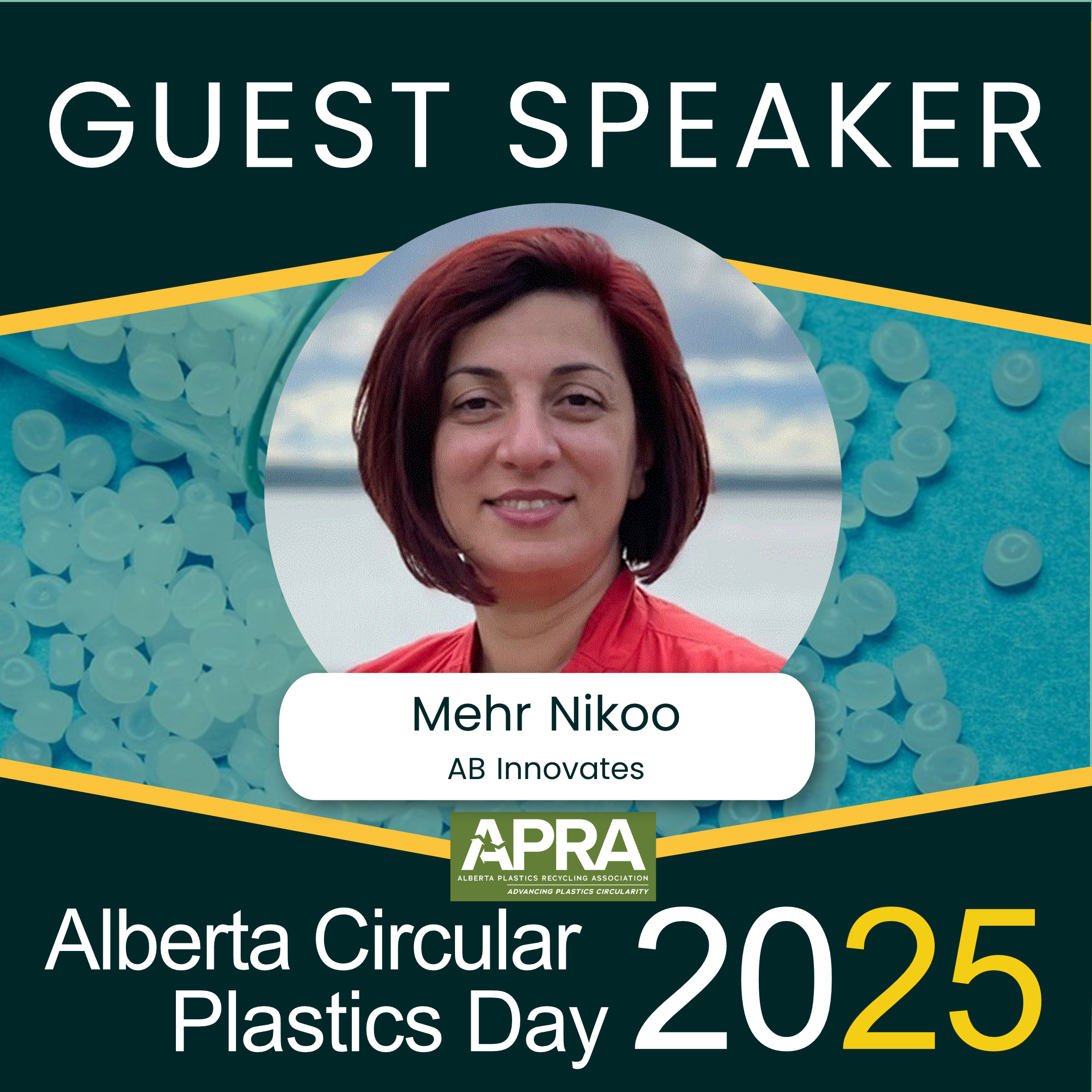
Mehr Nikoo

AB Innovates

Mehr Nikoo is a seasoned professional engineer with dual master’s degrees and over two decades of experience in process and research engineering, as well as project management. Her career includes roles at EPCs, InnoTech Alberta, and various start-up companies. Since June 2018, Mehr has been with Alberta Innovates, where she manages projects focused on utilizing agricultural and forestry residues, diverting plastics and municipal solid waste from landfills, and advancing clean technologies.

In her current role as Program Director for Bioindustrial and Circular Innovation, Mehr leverages her expertise to drive impactful initiatives that promote sustainability and innovation. Recently, she was elected as a board member for the Recycling Council of Alberta, where she advocates for a circular economy in the province.


Dialog window
Antoinette Smith

Guest Speaker

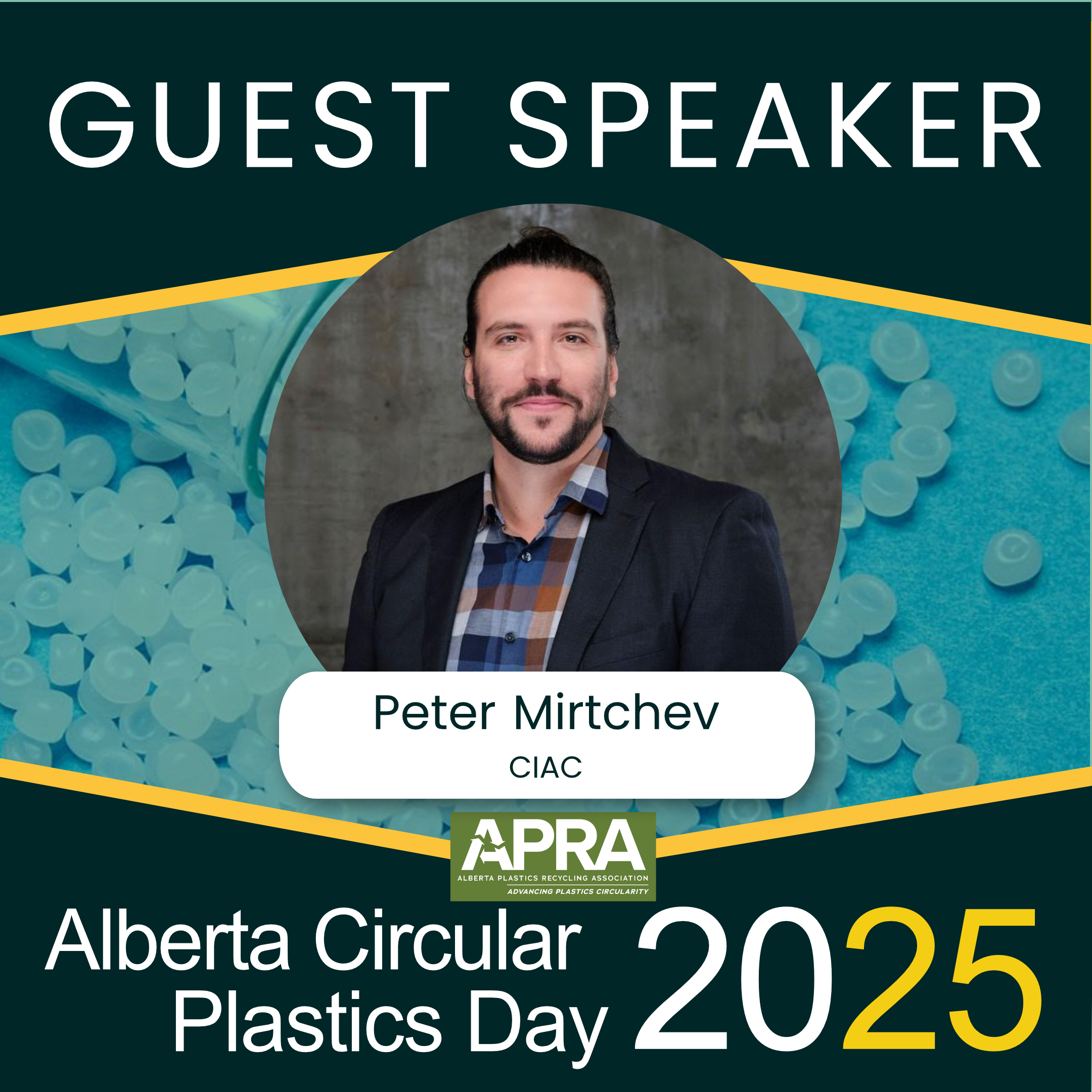
Peter Mirtchev

CIAC

Peter Mirtchev has over 6 years of experience in regulatory advocacy working with industry associations in the chemicals sector. Prior to joining the CIAC Plastics Division, he worked for the Canadian Paint and Coatings Association on multiple regulatory files impacting industry such as Chemicals Management under CEPA, VOC emissions, and Extended Producer Responsibility. He has also worked with the Chemical Institute of Canada where he developed relationships with leading chemistry researchers across all Canadian universities. Prior to transitioning to policy, he obtained a Ph.D in Chemistry, carrying out research on novel materials for renewable energy applications.


Dialog window
Antoinette Smith

Guest Speaker

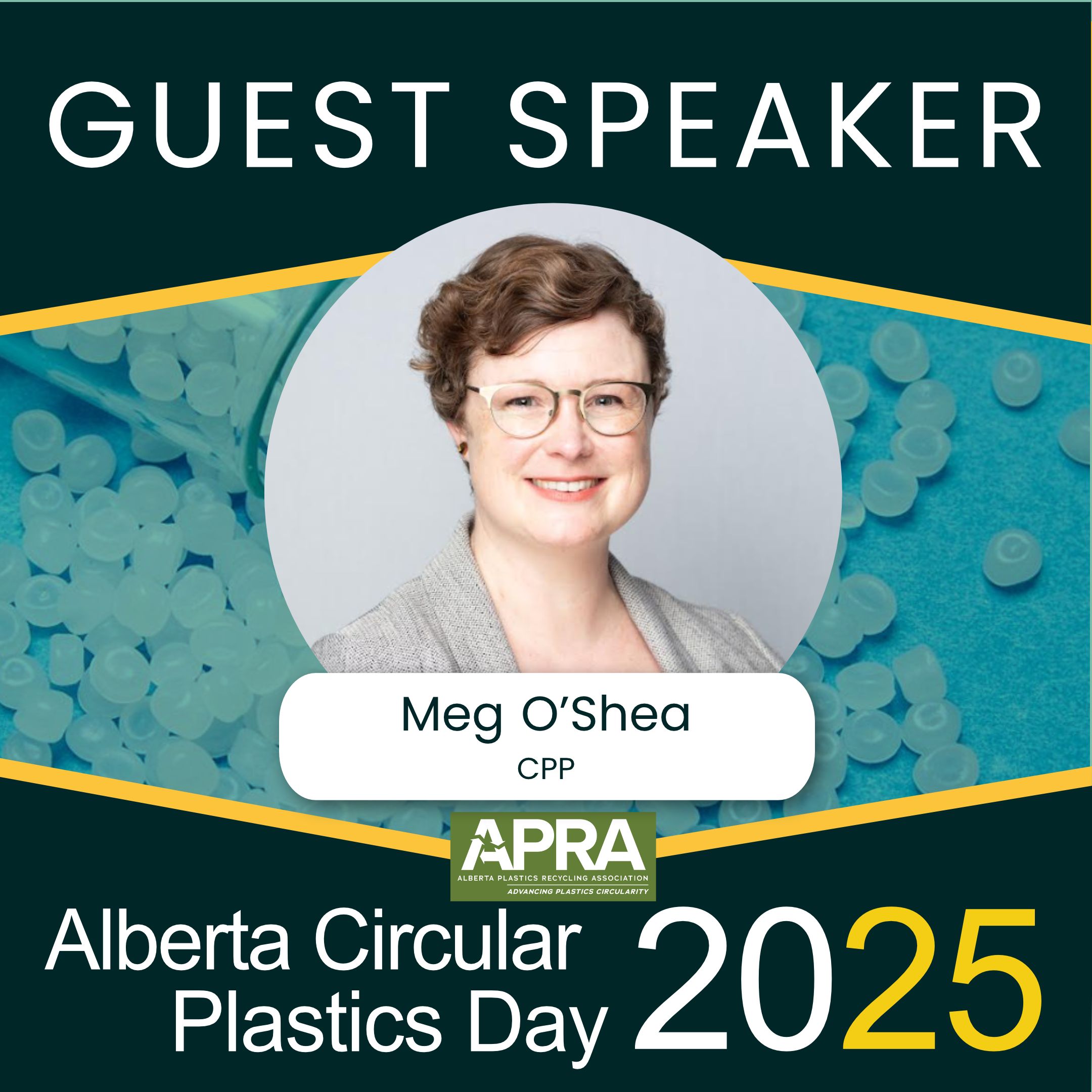
Meg O’Shea

CPP

Meg is a seasoned change manager with over a decade of experience in economic development, supporting organizational and business transformations for sustainability. As Director of Strategic Initiatives with the Canada Plastics Pact, Meg works directly with industry, government, and other actors to tackle the plastics problem facing society today by creating a circular economy of plastics. She is energized by bringing together disparate fields, objectives, and organizations to collaboratively tackle big gritty challenges.


Dialog window
Antoinette Smith

Guest Speaker

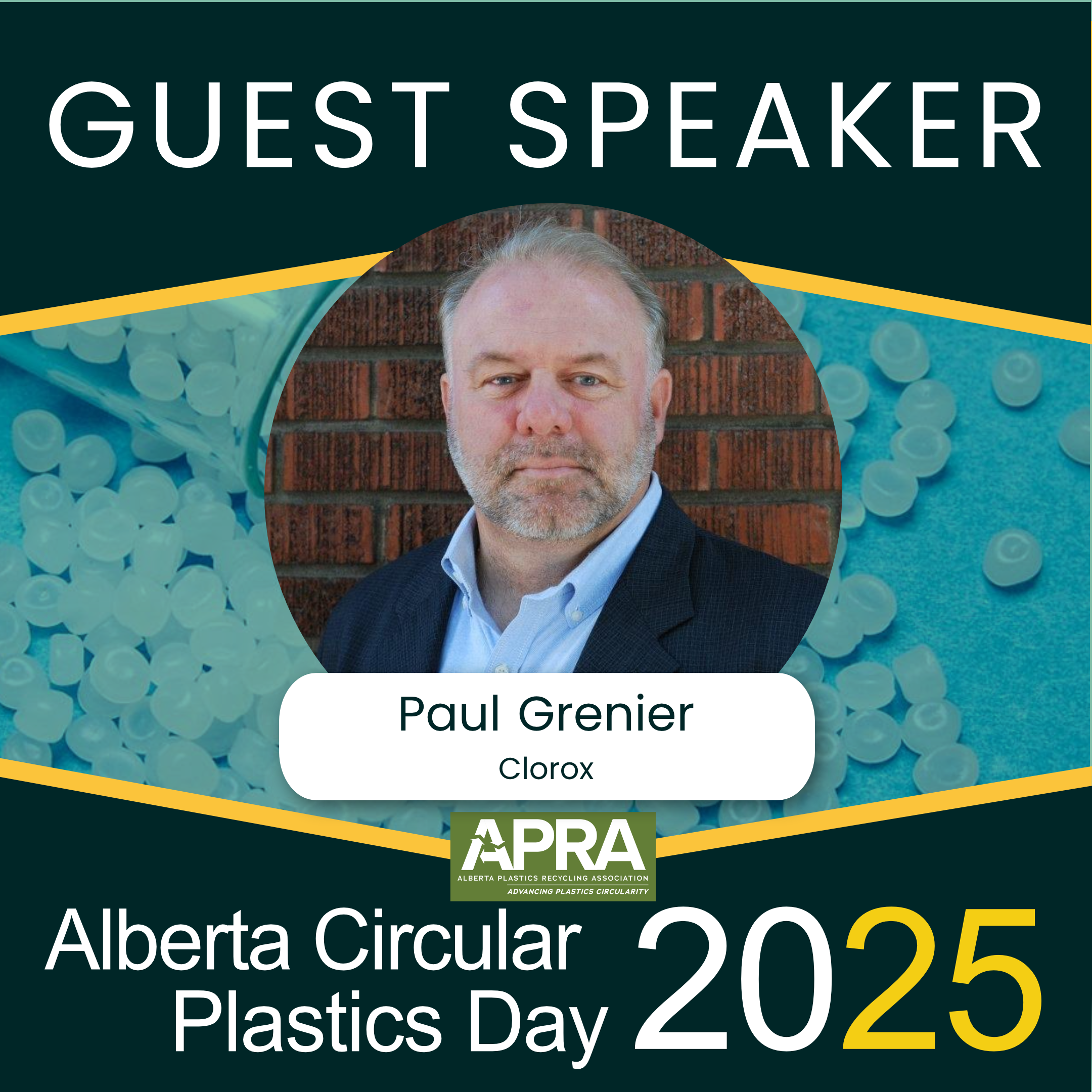
Paul Grenier

Clorox

Paul Grenier started as Manager of Government Affairs at Clorox Canada in 2020 and is responsible for building relationships and partnerships with all three levels of government. He has been focused on sustainability issues since joining Clorox including the transition to EPR (Extended Producer Responsibility) in most Canadian Provinces.

Mr. Grenier has also been a leader in consultations on Federal legislation for use of recycled plastics and accurate labelling of compostable and recycled packaging. Prior to Clorox he served 15 years as an elected Councillor in the Niagara Region of Ontario.

First elected to Welland Ontario City Council in 2003, he began three consecutive terms. Grenier was the Chair of Corporate Services Committees from 2009 to 2011 and in 2014. He also served as a director of Welland Hydro Corporation, Chair of Conservation Committee (2006-14). He completed his 11-year tenure on City Council with perfect attendance of 409 consecutive meetings.

As a member of Niagara Regional Council was Chair of Niagara Housing Corporation.
Mr. Grenier started his term on Regional Council in 2014.From 2005-14, was a member of the Ontario Small Urban Municipalities (OSUM) Board and Chair from 2010 – 2012 and concurrently served a member of the AMO (Association of Municipalities in Ontario) executive.

Mr. Grenier, a graduate of Brock University in Economics, has had a long career in
business development and advocacy for Waste, Recycling and Compost industries. He lives in Welland and is married to Wendy Ward, Professor at Niagara College. They have two adult children, Luc, and Claire.


Dialog window
Antoinette Smith

Keynote Speaker

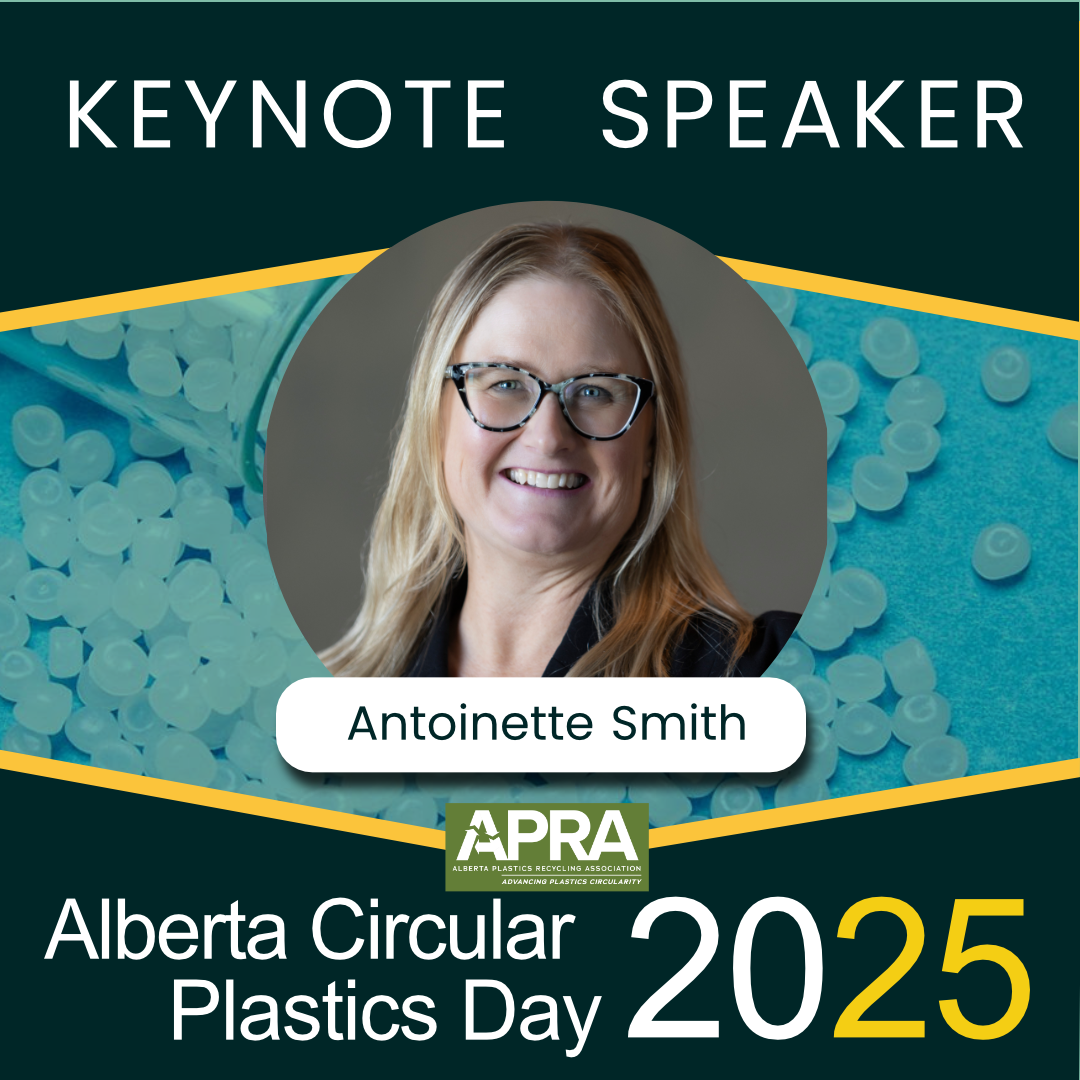
Antoinette Smith
Resource Recycling

Chemical recycling has been touted as the solution for managing our plastics problem, though we’ve heard this before with mechanical recycling claims and still have a long way to go. Join Antoinette Smith, Reporter for Plastics Recycling Update in the US, to learn about chemical recycling; how is it progressing in other jurisdictions around the world, and what lies ahead for expansion in North America?

Antoinette Smith started working as a reporter for Resource Recycling in June 2024 after spending several years covering commodity plastics and chemical value chains. In the role, she keeps abreast of industry trends, with a special focus on analyzing data. She recently relocated to Milwaukee, Wisconsin, after living in Houston, Texas, for more than a decade, where she was immersed in the chemical industry.

Dialog window

Innovation – The Trailblazers in Our Industry

Proud Session Sponsor – InterPipeline

In this session on innovation, we’ll hear from the trailblazers working on solutions for managing and manufacturing plastics: where PCR is king and old systems are revamped for in favour of new models that will shape how the industry grows in the next decade and beyond.

Speakers

Walson Tai – Binary Holds

Peter Zhou – Carbon Upcycling

Dow Canada – Elvaloy Paving Project

Dr. Roxana Suehring – TMU

Toye Oyedun – NAIT

Mehr Nikoo – AB Innovates

Linda Garratt – Moderator

Dialog window

National and International Updates – Putting Alberta on the Map

In this session we turn our eyes outward. With the conclusion of INC-5, organizations across Canada are working toward a better future for plastic management. We’ll hear from their perspectives on where international and national policy is headed and get ready to adapt and adjust accordingly with Alberta’s future.

Speakers

Moderator – Lori Koebel – ABCRC

Ryan Parmenter – ECCC (joining remotely)

Peter Mirtchev – CIAC

Meg O’Shea – CPP


Dialog window

Producer Updates   Proud Session Sponsor – NOVA Chemicals

With the shift to EPR across Canada, producers of packaging and brand owners have been making big commitments to sustainable initiatives including design for recycling and promises for incorporation of recycled content back into new materials. They must also keep up with regulation differences across jurisdictions and changing markets pressures. In this session we will hear from brand owners and industry members on how they are setting their PCR goals, what changes of course they have made in the past few years and where they see the future of recycled content in their products.

Speakers

Moderator – Allen Langdon – Circular Materials

Charles David Mathieu-Poulin – Circular Plastics Task Force and EEQ

Rob Morphew – Co-op

Anna Rajkovic – NOVA Chemicals

Paul Grenier – Clorox

Dialog window

The Northern Alberta Institute of Technology (NAIT) and Inter Pipeline Ltd. have initiated a $10 million, ten-year research collaboration to advance the reuse and recycling of plastic in Canada and around the world. This Plastics Research in Action (PRIA) initiative funds innovative applied research projects, much of which occurs within our 190,000 square feet Productivity and Innovation Centre (PIC) that is located on the north side of Main Campus.

As home to much of NAIT’s applied research, PIC features solutions for business innovation – much of which relates to productivity:

  • Product testing
  • Technology adoption
  • Training and certifications
  • Productivity and innovation
  • Applied research
  • Industry conferences and events

We have numerous flexible workspaces that are adaptable in size and functionality, which gives our industry partners and clients a place to expand ideas and explore solutions. The A-wing of PIC is a 40,000 square foot space that houses wet labs, the analytical core, two microgrid controllers, and an advanced manufacturing core.

The building is designed to LEED Building and Construction certification standards, recognizing sustainability in design and construction. Solar panels installed above the glass canopy in the main foyer will generate 58 kilowatts of electricity per hour and will be used in distributed energy research.

Please join us for a tour during the Alberta Circular Plastics Day 2023 hosted by the Alberta Plastics Recycling Association (APRA) at PIC on March 15, 2023

Alberta Plastics Recycling Association
  • About
    • APRA AGM 2025
    • Strategic Plan 2026 – 2028
    • ACPD Annual Sponsor Gallery
    • Sponsorship
    • Membership
      • Advocacy Submissions
      • Membership Application and Agreement
  • ACPD 2026
    • Previous ACPD Events
  • News
    • Industry News
    • Events
    • Past Events
  • Recycling Links & Facts
    • FAQ
    • Plastics Identification Codes
    • The Steps of Plastic Recycling
    • Recent Reports & Resources
    • Circular Economy and Zero Plastics Waste
    • Recovery
    • Plastics Registry
  • Programs & Projects
    • Alberta Plastics Data Project
    • Agricultural Plastics
  • Contact
    • Alberta Recycling Contacts
    • Board of Directors
Select Page
ACPD 2025 Details
ACPD 2024 Details
ACPD 2023 Details

© Copyright 2025 Alberta Plastics Recycling Association

Join us online:

  • Follow
  • Follow