Instead of viewing greenhouse gases as waste, Calgary-based cleantech company Carbonova is transforming them into valuable materials that can strengthen plastics, enhance energy storage, and support the transition to a circular economy.
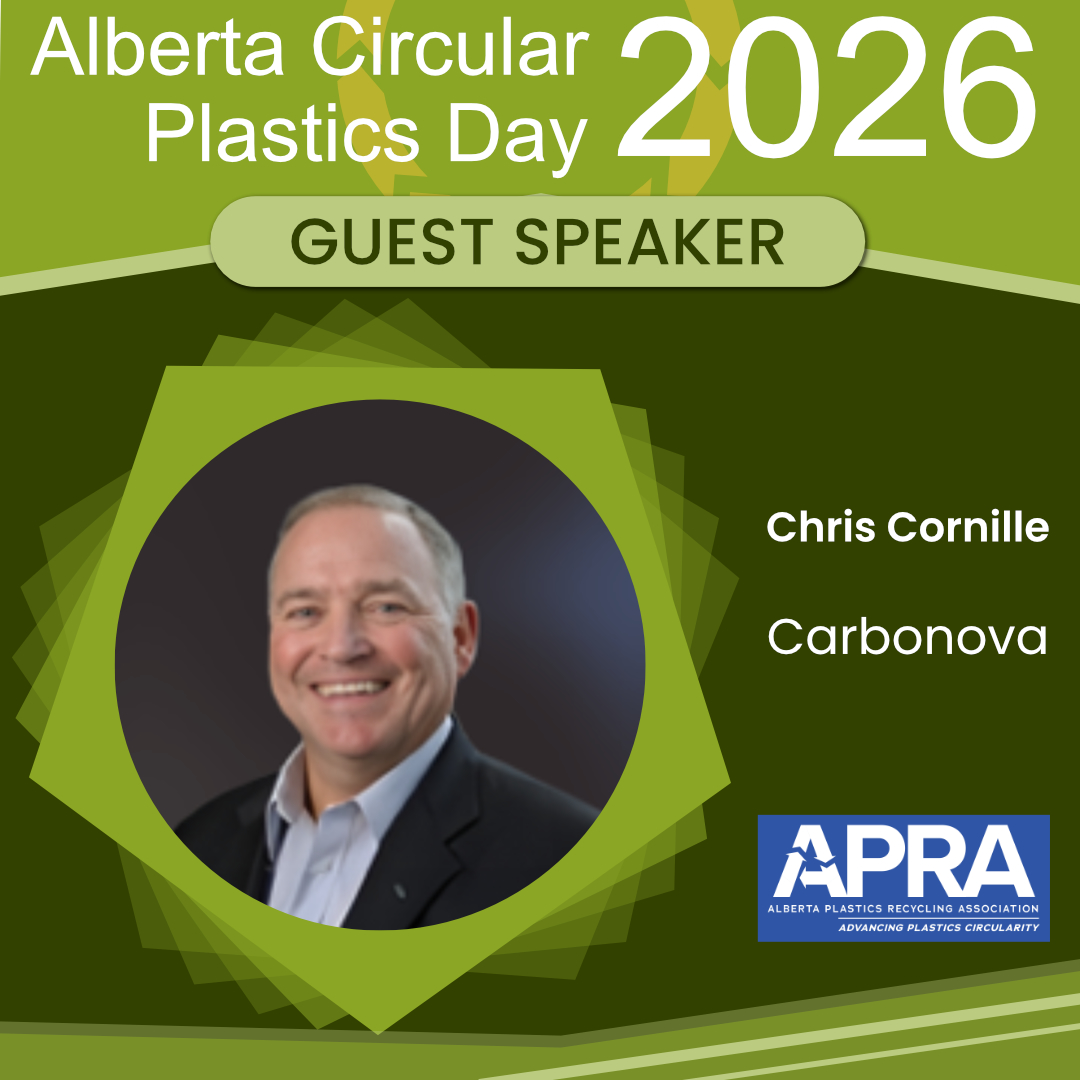
“Carbonova transforms greenhouse gas emissions into advanced carbon materials that industry already relies on,” Dr. Mina Zarabian, CEO & Co-Founder, explains. “Rather than treating carbon dioxide and methane as waste, we convert them into high-performance carbon nanofibers that strengthen plastics, enhance energy storage, and improve material durability without sacrificing cost or manufacturability.”

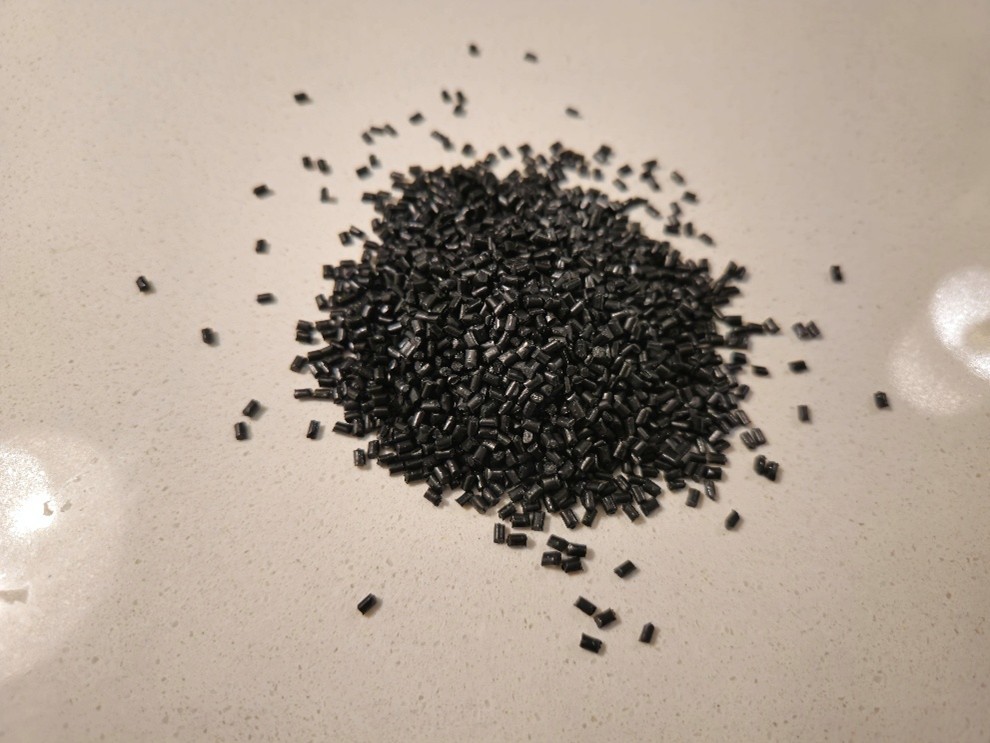
Carbonova’s carbon nanofiber – polypropylene masterbatch
Turning Emissions into High-Performance Materials
Carbonova produces proprietary carbon nanofibers (CNF), an advanced additive designed to improve the strength, conductivity, and durability of plastics and composite materials. Unlike conventional nanocarbon materials—which are often energy-intensive and derived from fossil fuels—Carbonova’s fibers are produced through a catalytic process that converts carbon dioxide and methane into solid carbon.
The result is a high-performance material with a net-carbon-negative footprint at the material level.
“Our work is purpose-driven and grounded in measurable outcomes,” Chris Cornille, CCO says. “We focus on practical deployment and build solutions that integrate into existing supply chains and manufacturing systems.”
These nanofibers deliver performance benefits even at low concentrations. By improving the mechanical properties of plastics, manufacturers can reduce the total amount of material required while maintaining or enhancing product performance.
Supporting Circularity Through Material Innovation
Mechanical recycling plays a critical role in keeping plastics in use longer, but the process can degrade polymer performance over time. Carbonova’s nanofibers help address this challenge by restoring strength and stiffness to recycled materials.
“It supports lightweighting, reducing raw material demand and transportation emissions, and can extend product life cycles, decreasing replacement frequency and overall waste generation.” Dr. Mina Zarabian notes.
By embedding emissions reduction directly into the material itself, the company’s technology creates a dual benefit: improved product performance and lower embodied carbon.
To ensure seamless adoption, the company collaborates closely with partners throughout the plastics value chain, including compounders, converters, and brand owners. Together, they validate formulations, optimize fiber dispersion, and integrate the additive into existing extrusion and molding processes.
Building Innovation in Alberta
Carbonova’s work is deeply connected to its home base in Calgary, where the region’s history of energy expertise and industrial innovation has helped shape the company’s development.
“Carbonova is proudly based in Calgary, Alberta — a region known for energy innovation and industrial expertise,” says Chris Cornille.
The company collaborates with research institutions such as the University of Calgary and works closely with provincial innovation programs, including Emissions Reduction Alberta and Alberta Innovates.
Carbonova also participates in cleantech accelerators, trade missions, and industry initiatives to help position Alberta as a global leader in advanced materials manufacturing. A key milestone in that effort is the company’s Commercial Demonstration Unit, currently under development in Calgary.

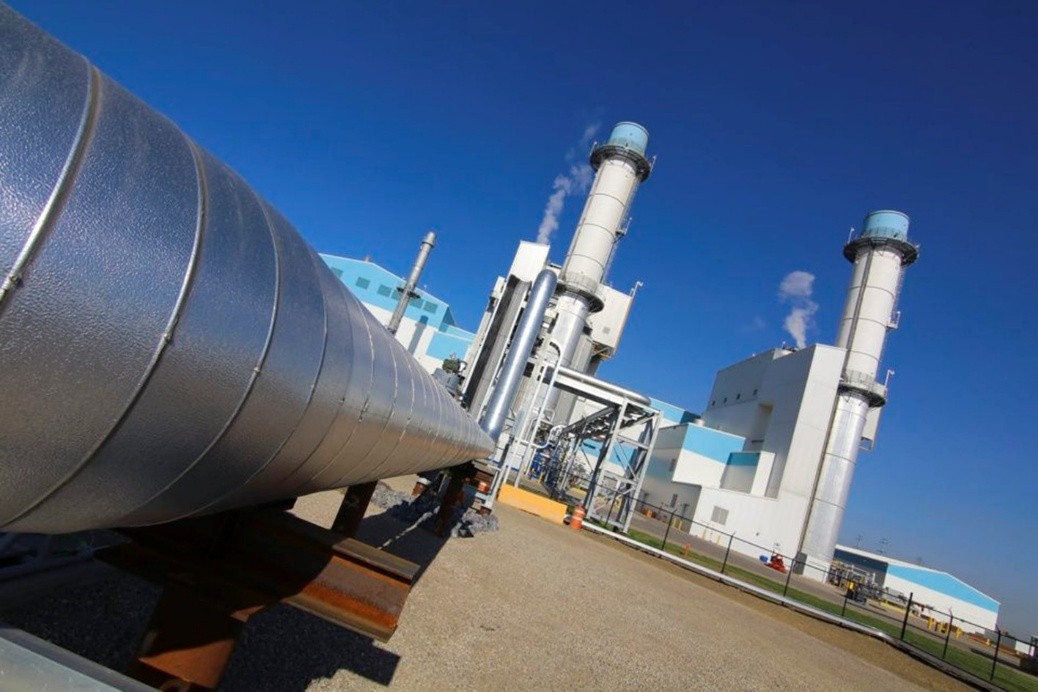
ACCTC Site where Carbonova is building their first of a kind Commercial Demonstration plant in Calgary, Alberta, Canada
Scaling the Next Generation of Materials
In the near term, Carbonova plans to commission its 25-tonne-per-year Commercial Demonstration Unit, which will validate continuous production and demonstrate large-scale customer integration.
“Success for us means scale — measured in tonnes per year, industrial partnerships, and measurable emissions reductions,” says Chris Cornille.
Looking further ahead, Carbonova envisions a network of modular production units deployed around the world. These facilities could be co-located with industrial emitters, converting greenhouse gases into carbon nanofibers and feeding them directly into plastics and battery supply chains.
The long-term goal is ambitious but clear: to make carbon utilization a standard part of materials manufacturing.
Collaboration Across the Circular Plastics Ecosystem
For Carbonova, collaboration is essential to making circular plastics systems work in practice. That’s one of the reasons the company values its membership with the Alberta Plastics Recycling Association (APRA).
“APRA represents the practical side of circularity — the operators, recyclers, processors, and innovators who are actually moving material through the system,” says Chris Cornille. Through APRA, the company gains direct insight into real-world recycling challenges and opportunities to collaborate on improving recycled material performance.

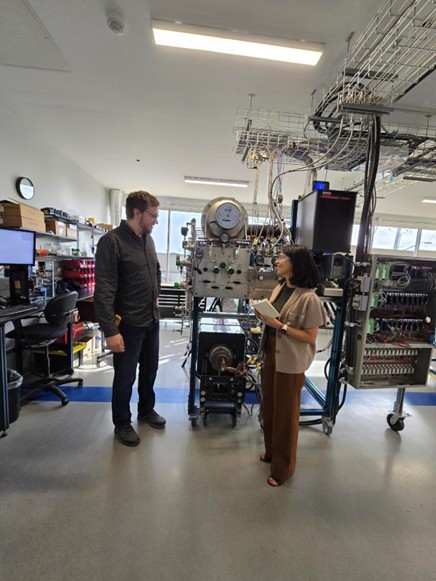
Dr. Mina Zarabian is getting an update from Operations at the Pilot Plant facility in Calgary, AB, Canada
Opportunities and Challenges Ahead
One of the biggest opportunities lies in what the company calls performance-driven circularity.
“Manufacturers want to increase recycled content and reduce weight — but they cannot sacrifice durability or cost,” Chris Cornille says. “Advanced additives like carbon nanofibers can bridge that gap.”
At the same time, introducing new materials into established manufacturing systems requires careful validation and trust-building.
“We believe the path forward is collaboration… to create plastics systems that are stronger, lighter, and lower carbon,” says Dr. Mina Zarabian.
By turning emissions into high-performance materials, Carbonova is demonstrating how climate solutions and industrial innovation can work together—helping build a plastics economy that is not only circular, but also more resilient with a lower carbon footprint.
ACPD Calgary, Alberta – March 2026