


















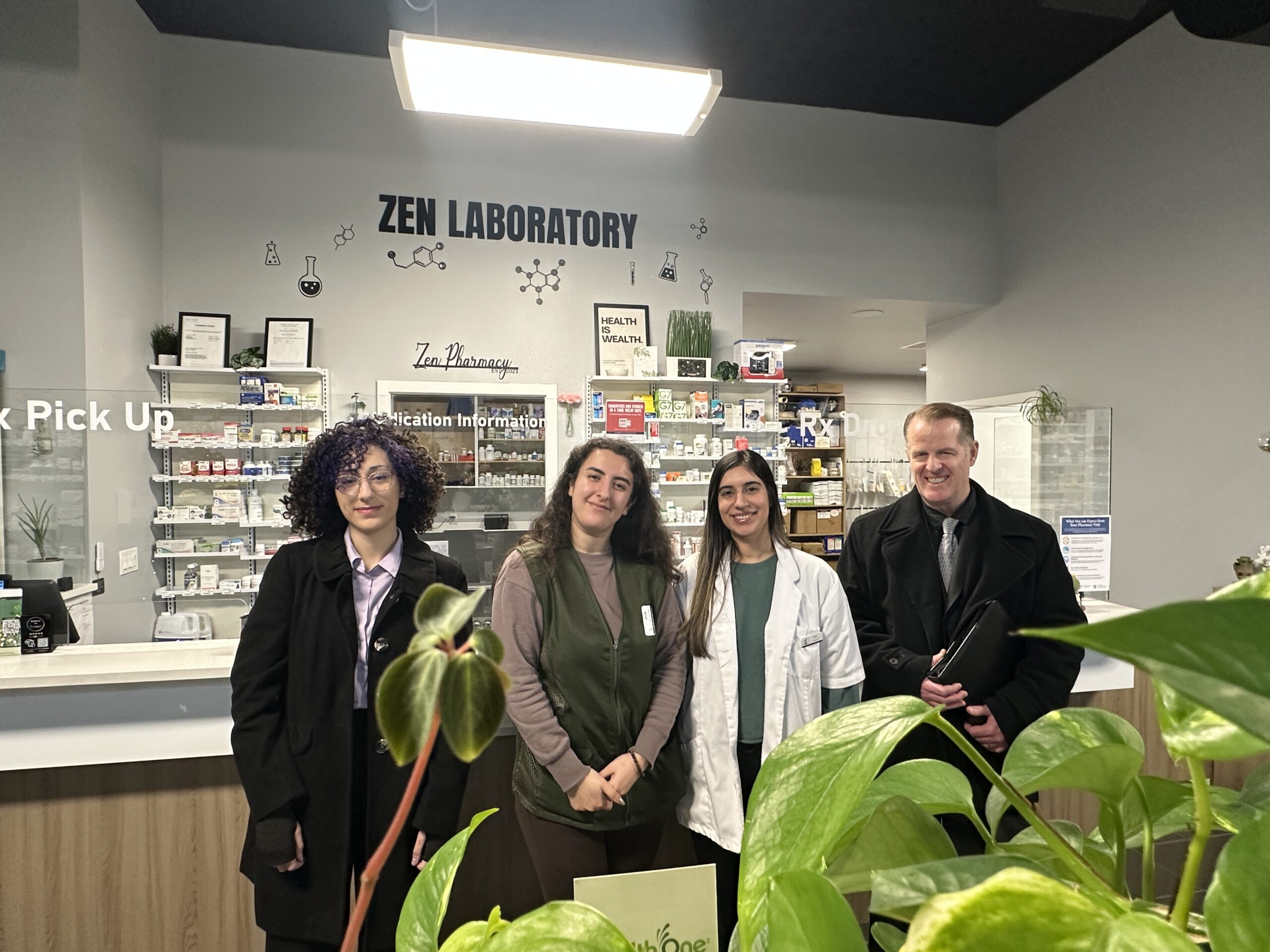
As Canada accelerates its transition toward a circular economy, few sectors face challenges as complex as healthcare. Strict regulatory requirements, infection control protocols, and safety considerations make waste reduction and recycling particularly difficult to implement. Yet healthcare also generates significant volumes of plastic waste, much of which is high-quality material with untapped recovery potential. Bridging this gap between sustainability ambition and operational reality is where Robust Recycling has built its purpose and expertise.
Delivering Circular Solutions Across the System
Robust Recycling supports plastic circularity through an integrated suite of services designed to keep materials in use for as long as possible, improve recovery rates, and enable reuse pathways. Robust Recycling refers to three key pillars that support and guide their work.
The first pillar of this work is waste audits, consulting, and training. By helping organizations understand their waste streams, Robust Recycling enables informed decision-making and system design. A cornerstone of this effort is Robust Academy, the organization’s education and training platform. These trainings support effective waste practices, proper material segregation, and long-term behaviour change—critical elements for success in complex environments.
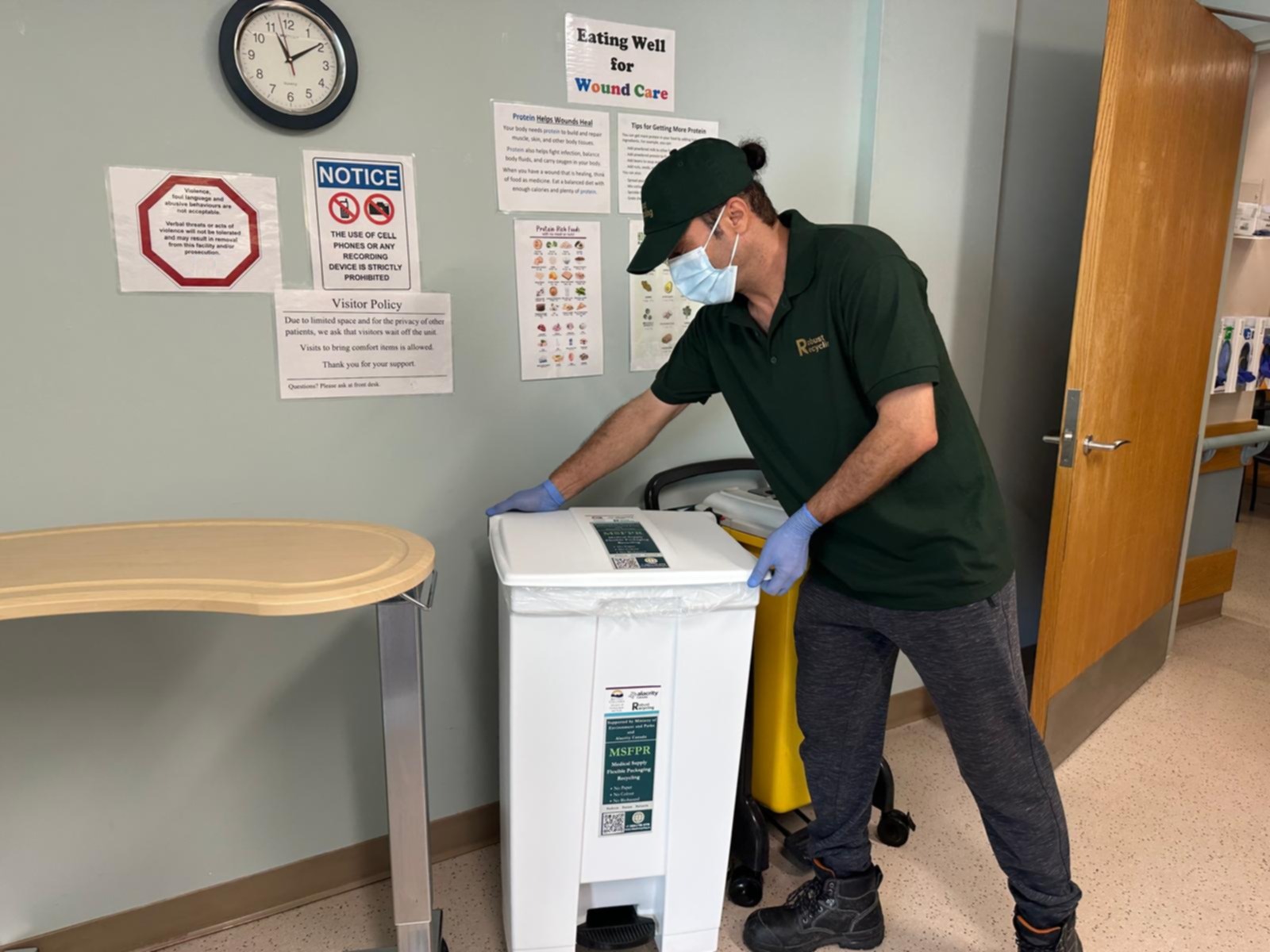
The second pillar focuses on tailored recycling solutions, particularly for healthcare organizations. Robust Recycling designs and implements compliant systems that reduce contamination, increase diversion from landfill, and improve plastic recovery. A flagship example is the Medical Supply Flexible Packaging Plastic Recycling (MSFPR) pilot program. This innovative initiative enables the collection and recycling of specific medical single-use plastic products, demonstrating that circular outcomes are achievable even in highly regulated settings.
The third pillar supports reuse and donation initiatives. By identifying materials suitable for redistribution or reuse, Robust Recycling helps organizations extend product life cycles and reduce reliance on virgin plastics. Together, these three service areas create a comprehensive, systems-based approach to plastic circularity.

A Mission Grounded in Practical Impact
“Our mission is simple: deliver solutions that work in the real world—without compromising safety, compliance, or care,” says Rose Alipour, the Director of their Circular Economy Department.
Guided by a vision of a sustainable future with minimal waste, the organization focuses on helping institutions actively practice environmental stewardship and adopt circular economy principles that protect resources, communities, and future generations.
“Environmental stewardship only matters if it delivers measurable, lasting change,” says Rose.
“Environmental stewardship matters most when it delivers measurable, lasting change,” says Rose.
Engaging Communities and Building Capacity
Collaboration extends beyond individual projects. Robust Recycling actively engages with local and provincial communities through partnerships, education, and participation in sustainability initiatives. The organization works closely with federal and provincial governments, healthcare providers, non-profits, municipalities, educational institutions, recycling service providers, and industry partners to develop effective waste reduction and recycling programs.
Participation in industry working groups and stakeholder consultations allows Robust Recycling to share frontline insights from real-world projects, contributing to best practices, policy development, and system improvement. This on-the-ground perspective helps translate high-level sustainability goals into achievable action.
“Policy is strongest when it reflects the realities of implementation on the ground,” suggests Rose.
The Value of Collaboration Through APRA
Membership in the Alberta Plastics Recycling Association (APRA) plays an important role in advancing this work. Robust Recycling values APRA’s leadership in plastics recycling policy and its focus on enabling practical, on-the-ground solutions. Through APRA, the organization participates in policy discussions, shares insights from pilot programs, and contributes to the development of realistic, evidence-based approaches to plastics recovery. APRA’s collaborative initiatives provide opportunities to test innovative recycling models and learn from peers across the value chain.
Looking Ahead: Scaling Impact Nationwide
“Our goal is to help scale what works—turning proven pilots into national solutions,” says Rose.
Looking to the future, Robust Recycling aims to be a recognized leader in delivering practical, scalable circular economy solutions that measurably improve recycling and plastic recovery outcomes across Canada. The organization plans to expand the reach of its audit, consulting, training, and recycling programs while continuing to develop and scale successful pilot initiatives that demonstrate real-world circularity. Robust Academy is expected to grow into a trusted national platform for circular economy and sustainability education, supporting workforce development and industry-specific training across multiple sectors.

Opportunities and Challenges in a Changing Landscape
Robust Recycling’s expertise in complex, regulated environments positions the organization to design solutions that address operational, safety, and compliance constraints. Its zero-contamination risk methodology demonstrates that improved plastic recovery and material quality can coexist with strict infection control standards.
“Healthcare presents one of the most complex waste environments in Canada, but complexity should never be a barrier to progress,” says Rose.
At the same time, challenges remain. Inconsistent recycling infrastructure across regions, limited end markets for certain plastics, and behaviour change barriers can slow progress. Aligning policy objectives with on-the-ground realities and ensuring the long-term economic viability of recycling and reuse programs also requires continued collaboration and innovation.
2025 Circular Economy Month Initiative: https://youtu.be/1Gz1XJzJJDc
This video by Robust Recycling offers an insightful look into the role of recycling within a circular economy. It highlights how strategic waste management and innovative recycling practices can keep materials in use longer, reduce environmental impact, and support sustainable business operations. The video provides a clear example of how organizations can implement circular economy principles to create measurable environmental and economic benefits.
Robust Recycling has been recognized as a Great Place To Work. We are proud of our exceptional team of innovators, researchers, and dedicated professionals who drive meaningful impact in the circular economy and sustainability sectors!
More information is available here:
https://www.greatplacetowork.ca/en/certified-company/z4870188000110064021